
Şarap üreticileri, ithalatçıları ve ambalaj alıcıları tarafından en sık sorulan sorulardan biri, şarap şişeleri için neden cam kullanılması gerektiğidir; çünkü şişe seçimi şarabın korunmasını, nakliye maliyetlerini, sürdürülebilirlik hedeflerini ve tüketici algısını doğrudan etkiler. Geliştirilmekte olan başka malzemeler olsa da, cam, üstün marka imajı, kimyasal stabilitesi ve mükemmel bariyer özellikleri nedeniyle premium şarap pazarında en yaygın kullanılan malzeme olmaya devam etmektedir. Camın avantaj ve dezavantajlarını net bir şekilde anlamak, alıcıların sadece başlangıç maliyetlerine değil, uzun vadeli kararlarına da odaklanmalarını sağlar.
Cam, yüzyıllardır şarap ambalajının bir bileşeni olsa da, bu sadece bir gelenek değil. Modern gıda bilimi ve ambalaj teknolojisi çeşitli başka malzemelerden yararlanmıştır, ancak hiçbiri camın çok yönlü performans özellikleriyle yarışamaz. Şişe, yalnızca bir kap değil, yüksek kaliteli şarap üreten şaraphaneler için ürünün kendisinin bir uzantısıdır. ambalaj Bu durum, ürünün raftaki görünümünü, taşıma sırasında kullanım kolaylığını, yıllanma kalitesini ve son tüketicinin kalite hakkındaki düşüncelerini etkiler. Doğru şişe malzemesini seçmek artık sadece bir üretim kararı değil, giderek daha rekabetçi hale gelen küresel şarap pazarında işletmenizin başarılı olmasına yardımcı olabilecek stratejik bir karardır.
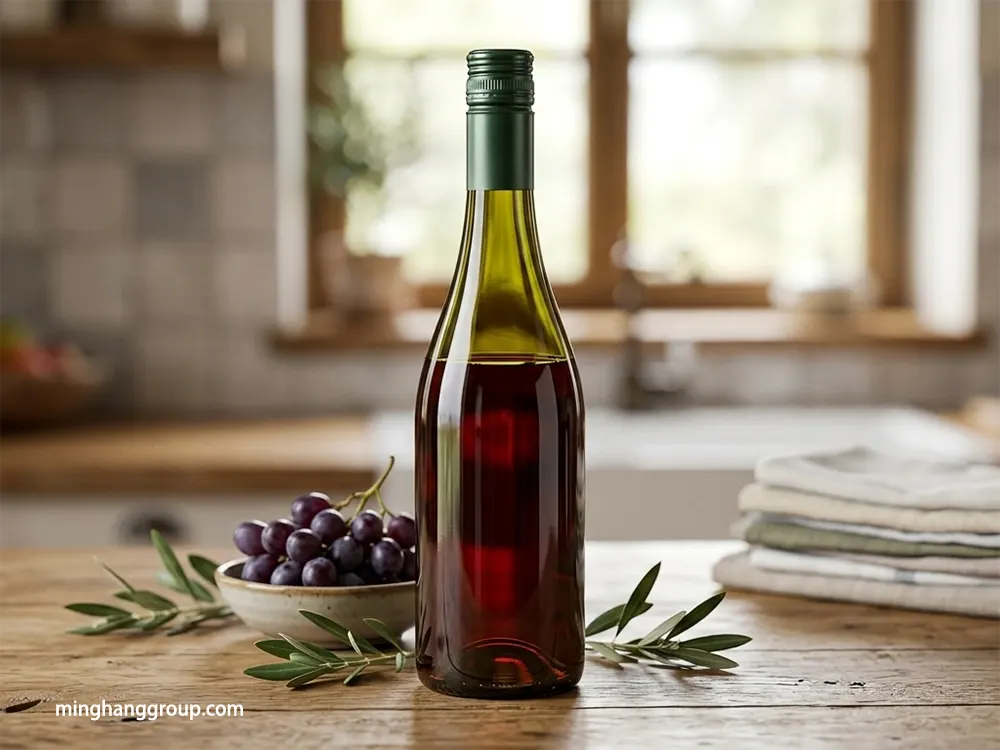
Camın Şarap Şişelerinde Standart Malzeme Haline Gelmesinin Nedenleri
Tutarlılık da önemli bir diğer avantajdır. Cam şişeler Depolama sıcaklıkları arasında yüksek uyumluluk gösterdikleri için otomatik dolum, etiketleme ve paletleme sistemleri için son derece uygundurlar. Üretimdeki tekdüzelik, üretimdeki arıza sürelerini en aza indirir ve uzun mesafeli taşıma sırasında sızıntı veya kapak arızası olasılığını azaltır. Binlerce şişeyi yurtdışı pazarlarına gönderen ihracatçılar için ambalaj kusurlarındaki azalma, büyük tasarruflar anlamına gelebilir.
Renk, şarabın korunmasında da önemli bir faktördür. Kehribar ve koyu yeşil şişeler, aroma bileşenleri üzerinde olumsuz etki yaratabilecek ve şarabın bozulmasını hızlandırabilecek kimyasal reaksiyonlara yol açabilecek bazı ultraviyole (UV) ışınlarını filtrelemek için kullanışlıdır. Şeffaf cam şişeler, roze şaraplar veya estetiğin önemli olduğu ürünler için kullanılırken, uzun süreli saklama için koyu renkli cam tercih edilir.
Cam şarap şişelerinin başlıca faydaları
Cam, teknik yeteneklerinin yanı sıra, benzersiz marka fırsatları da sunmaktadır. Şişeler logolarla kabartılabilir, derin delikli tasarımlar yapılabilir, benzersiz boyun kaplamaları uygulanabilir, serigrafi baskı yapılabilir, seramik çıkartmalar yapıştırılabilir, buzlu görünüm verilebilir, metal kaplama yapılabilir ve yüksek kaliteli yüzey işlemleriyle işlenebilir. Bu dekorasyon seçenekleri, şarap üreticilerinin markalarını yansıtan ve ürünlerin giderek daha rekabetçi hale gelen perakende raflarında öne çıkmasına yardımcı olan benzersiz ambalajlar üretmelerini sağlar.
Tüketici algısının göz ardı edilemeyecek bir diğer yönü de budur. Birçok pazar araştırması, cam şişelerin tüketicilerde genellikle özgünlük, el işçiliği ve yüksek kaliteli ürün hissi uyandırdığını ortaya koymuştur. Şarap satın alma kararında, şişeyi açmadan önce bile ambalaj önemli bir rol oynar; bu nedenle şişe artık bir pazarlama aracıdır.

Cam ve Plastik Şarap Şişeleri: Avantaj ve Dezavantajları Anlamak
Bir diğer husus da ürünün kullanım ömrüdür. Plastik şişeler, ambalajlandıktan sonra birkaç ay içinde tüketilmesi amaçlanan şaraplar için uygundur ve açık hava satışları, uçaklar, festivaller ve perakende satış noktaları için idealdir. Uzun süreli saklama için tasarlanan yüksek kaliteli şaraplar için ise ambalaj malzemesinin şarabın hassas aromalarını koruyabilmesi ve yıllar boyunca istikrarlı koşullar sağlayabilmesi gerekir. Bu durumlarda cam, çevresel etkilere karşı daha yüksek bir bariyer görevi görür ve plastikten daha iyi performans göstermeye devam eder.
Sürdürülebilirlik açısından yapılan bir karşılaştırma, ilk bakışta göründüğünden daha karmaşıktır. Plastik şişelerin hafif olması nedeniyle, plastik şişe taşımacılığı cam şişelere göre daha az kirliliğe neden olur; cam ise malzeme kalitesinde azalma olmadan sonsuzca geri dönüştürülebilir. Sonuç olarak, birçok şarap üreticisi, şişelerinin tamamını camdan yapmak yerine daha hafif cam şişeleri tercih ediyor ve böylece üst düzey konumlarından ödün vermeden karbon emisyonlarını azaltıyor.
| Özellik | Bardak | Plastik (PET) |
| Oksijen Bariyeri | Harika | Ilıman |
| Yaşlanma Performansı | Harika | Sınırlı |
| Ağırlık | Ağır | Işık |
| Üstün Görünüm | Yüksek | Ilıman |
| Geri dönüştürülebilirlik | Harika | Bölgeye göre değişir |
Şarap Şişesi Ambalaj Alternatifleri ve Sürdürülebilirlik
Şarap şişesi ambalajına alternatiflere olan ilgi giderek artarken, birçok üretici daha hafif cam şişeler, alüminyum kutular, kağıt bazlı şişeler ve Bag-in-Box ambalajlar üretmek için çalışıyor. Bunlar camın yerini tutmuyor, ancak farklı pazar ihtiyaçlarını karşılıyor. Hafifliği nedeniyle, bu malzeme özellikle tercih ediliyor çünkü bir şaraphanenin ihtiyaç duyduğu koruyucu özelliklerden ödün vermeden nakliye kaynaklı emisyonları azaltıyor. Birçok şarap üreticisi camdan vazgeçmek yerine, şişe ağırlığını azaltmaya ve şişelerdeki geri dönüştürülmüş cam oranını artırmaya odaklanmayı seçti.
Şarap şişelerinde temperli cam kullanılıyor mu?
Bazı alıcılar şu konuda bilgi almak istiyor: temperli cam şarap şişeleriAncak bunlar genellikle şarap yapımında kullanılmaz. Tavlanmış standart kap camı yeterince güçlüdür, üretimi daha ucuzdur ve mevcut şişeleme ekipmanıyla daha uyumludur. Çoğu durumda, şaraphanede temperli cam kullanmaktan ziyade şişenin tasarımını ve üretimini değiştirmek daha faydalıdır.

Sıkça Sorulan Sorular
Şarap şişeleri için cam neden daha iyidir?
Cam şişelerin kullanımı, oksijenin mükemmel şekilde engellenmesi, şarabın aromasının mükemmel şekilde korunması, uzun ömürlü olması, mükemmel geri dönüştürülebilirliği ve üst düzey marka imajını desteklemenin iyi bir yolu olması nedeniyle tercih edilmektedir.
Cam şarap şişelerinin başlıca malzeme özellikleri nelerdir?
Başlıca özellikleri kimyasal kararlılık, iyi gaz bariyeri özellikleri, yüksek dayanıklılık, dekoratif çok yönlülük ve şarabın uzun süreli saklanmasına uygunluktur.
Sürdürülebilir şarap şişesi malzemeleri camın yerini mi alıyor?
Hayır. Ancak çoğu şarap üreticisi, en iyi koruma, kalite ve tüketici beklentilerini karşıladığı için camdan vazgeçmiyor; bunun yerine, şarap üreticileri hafif ve geri dönüştürülmüş içerikli camlara geçiş yapıyor.
Çözüm
Sonuç olarak, hiçbir ambalaj malzemesi tüm kategorilerde en iyisi değildir. Plastik, alüminyum, kağıt ve Bag-in-Box olmak üzere her şişe türünün, özellikle maliyet, taşınabilirlik ve/veya sürdürülebilirliğin en önemli faktörler olduğu uygulamalar için kendine özgü avantajları vardır. Ancak, uzun süre saklanması gereken ve raflarda güçlü bir duruş sergilemesi gereken premium şaraplar söz konusu olduğunda, cam, performans, görünüm ve tüketici güveni açısından en dengeli seçenek olmaya devam etmektedir.
Şarap endüstrisi, tedarik zincirinde daha fazla sürdürülebilirlik ve karbon emisyonlarını azaltmayı hedeflediği için gelecek, camı tamamen ortadan kaldırmakla ilgili değil. Aksine, üreticiler yalnızca camın halihazırda keşfedilmiş faydalarını korumakla kalmayıp, aynı zamanda daha hafif, daha güçlü ve çevre dostu bir cam şişe üretmeye odaklanmışlardır. Bu ödünleşmeler, ürünün korunmasını ve markanın zaman içinde güvence altına alınmasını sağlamak için şarap üreticileri, ithalatçılar ve ambalaj alıcıları için ambalaj seçerken dikkate alınması gereken kritik unsurlardır.


 TR
TR  EN
EN  FR
FR  DE
DE  RU
RU  IT
IT  ES
ES  PT
PT  AR
AR  KO
KO  JA
JA  ZH
ZH