
Вопрос о том, почему для винных бутылок используется стекло, остается одним из самых распространенных среди производителей вина, импортеров и покупателей упаковки, поскольку выбор бутылки напрямую влияет на сохранность вина, транспортные расходы, цели устойчивого развития и восприятие потребителями. Хотя разрабатываются и другие материалы, стекло остается наиболее широко используемым материалом на рынке премиальных вин благодаря своему превосходному имиджу бренда, химической стабильности и отличным барьерным свойствам. Четкое понимание преимуществ и недостатков стекла позволяет покупателям делать более эффективный долгосрочный выбор упаковочных материалов, когда их внимание привлекают не только первоначальные затраты.
Хотя стекло используется в винной упаковке на протяжении веков, это не просто традиция. Современная пищевая наука и упаковочные технологии используют различные другие материалы, но ни один из них не может сравниться с универсальными эксплуатационными характеристиками стекла. Бутылка — это не просто контейнер, это продолжение самого продукта для винодельческих хозяйств, производящих вина премиум-класса. Упаковка Это влияет на внешний вид на полке, удобство обращения при транспортировке, качество при старении и мнение конечного потребителя о качестве. Выбор подходящего материала для бутылки – это уже не просто производственное решение, а стратегическое, способное помочь вашему бизнесу преуспеть на растущем конкурентном мировом рынке вина.
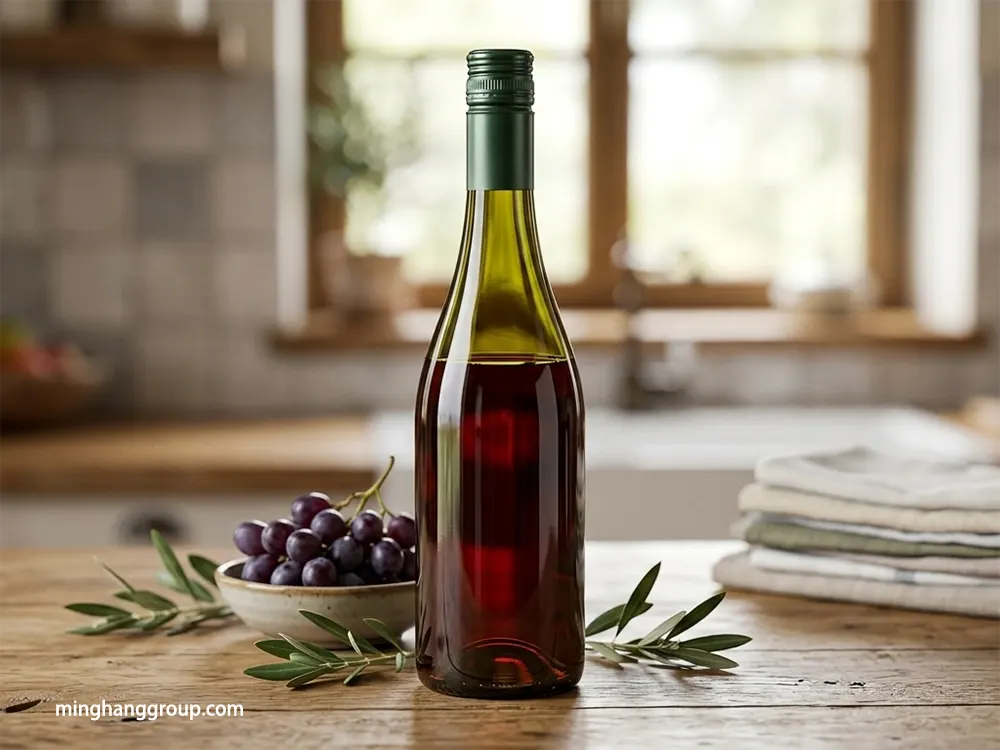
Почему стекло стало стандартом для винных бутылок
Еще одним существенным преимуществом является стабильность. Стеклянные бутылки Они идеально подходят для автоматизированных систем розлива, маркировки и паллетирования, поскольку обладают высокой совместимостью с температурой хранения. Однородность производственных процессов сводит к минимуму время простоя и снижает вероятность протечек или выхода из строя запорного механизма во время транспортировки на большие расстояния. Для экспортеров, отправляющих тысячи бутылок на зарубежные рынки, сокращение количества дефектов упаковки может означать значительную экономию.
Цвет также является ключевым фактором в сохранении вина. Бутылки янтарного и темно-зеленого цвета полезны для фильтрации части ультрафиолетового (УФ) излучения, которое может вызывать химические реакции, негативно влияющие на ароматические соединения и способствующие порче вина. Прозрачное флинтовое стекло используется для розовых вин или для продуктов, где эстетика имеет первостепенное значение, а для длительного хранения предпочтительнее темное стекло.
Основные преимущества стеклянных винных бутылок
Помимо своих технических возможностей, стекло открывает беспрецедентные возможности для продвижения бренда. На бутылки можно наносить тиснение с логотипами, глубокие штампованные узоры, создавать уникальные варианты отделки горлышка, наносить трафаретную печать, прикреплять керамические наклейки, матировать, покрывать металлом и обрабатывать высококачественными поверхностными покрытиями. Эти варианты оформления позволяют винодельням создавать уникальную упаковку, которая отражает их бренд и помогает товарам выделиться на фоне все более конкурентных розничных полок.
Ещё один аспект, который нельзя игнорировать с точки зрения восприятия потребителями. Многочисленные исследования рынка показали, что стеклянные бутылки часто вызывают у потребителей ощущение подлинности, мастерства и высокого качества продукта. Упаковка играет роль в принятии решения о покупке вина еще до того, как вы откроете бутылку, поэтому бутылка теперь является маркетинговым инструментом.
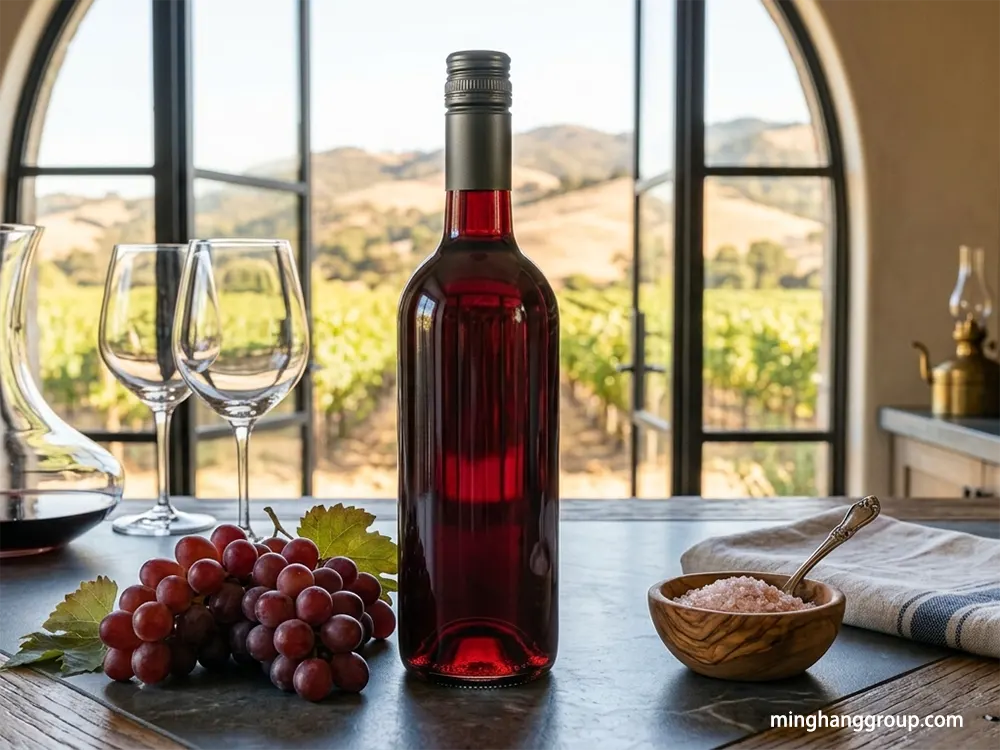
Стеклянные и пластиковые винные бутылки: в чем компромисс?
Ещё одним важным фактором является срок службы изделия. Пластиковые бутылки хорошо подходят для вин, которые планируется употребить в течение нескольких месяцев после упаковки, и идеально подходят для продажи на открытом воздухе, в самолетах, на фестивалях и в розничных магазинах. Однако для премиальных вин, предназначенных для длительного хранения, упаковочный материал должен сохранять тонкие ароматы вина и обеспечивать стабильные условия в течение нескольких лет. В этих случаях стекло обеспечивает более высокую защиту от воздействия окружающей среды и продолжает превосходить пластик.
Сравнение с точки зрения устойчивого развития также оказывается сложнее, чем кажется на первый взгляд. Благодаря легкости пластиковых бутылок, их транспортировка вызывает меньше загрязнения, чем транспортировка стеклянных бутылок; а стекло можно перерабатывать бесконечно, не ухудшая его качество. В результате многие винодельни предпочитают использовать более легкие стеклянные бутылки вместо стекла для всех своих вин, сокращая выбросы углекислого газа без ущерба для премиального позиционирования.
| Особенность | Стекло | Пластик (ПЭТ) |
| Кислородный барьер | Отличный | Умеренный |
| Производительность в процессе старения | Отличный | Ограниченный |
| Масса | Тяжелый | Свет |
| Премиальный внешний вид | Высокий | Умеренный |
| Пригодность к переработке | Отличный | Зависит от региона. |
Альтернативы упаковке винных бутылок и экологичность
По мере роста интереса к альтернативам винной бутылочной упаковке многие производители работают над созданием более легких стеклянных бутылок, алюминиевых банок, бутылок из бумаги и упаковки Bag-in-Box. Эти материалы не заменяют стекло, но удовлетворяют другие потребности рынка. Благодаря своей легкости, этот материал особенно популярен, поскольку позволяет сократить выбросы от транспортировки, не жертвуя при этом защитными свойствами, необходимыми винодельне. Вместо того чтобы отказываться от стекла, многие виноделы предпочитают сосредоточиться на снижении веса бутылок и увеличении доли переработанного стекла в их составе.
Используются ли бутылки из закаленного стекла для вина?
Некоторые покупатели интересуются винные бутылки из закаленного стеклаОднако в виноделии их обычно не используют. Стандартное закаленное тарное стекло достаточно прочное, дешевле в производстве и лучше совместимо с существующим оборудованием для розлива в бутылки. В большинстве случаев модификация конструкции и производства бутылки более выгодна, чем использование закаленного стекла для винодельни.
Часто задаваемые вопросы
Почему стеклянные бутылки лучше подходят для вина?
Использование стекла предпочтительно, поскольку оно обеспечивает превосходную защиту от кислорода, отличное сохранение вкуса вина, длительный срок службы и отличную возможность вторичной переработки, а также является хорошим способом поддержать премиальный бренд.
Каковы основные свойства материала, из которого изготовлены стеклянные винные бутылки?
К основным свойствам относятся химическая стабильность, хорошие газобарьерные свойства, высокая прочность, универсальность в декорировании и пригодность для длительного хранения вина.
Заменяют ли экологически чистые материалы для винных бутылок стекло?
Нет. Однако большинство виноделен не отказываются от стекла, поскольку оно обеспечивает наилучшую сохранность, качество и оправдывает ожидания потребителей; вместо этого винодельни переходят на легкое стекло с добавлением переработанных материалов.
Заключение
В заключение отметим, что нет универсального лучшего упаковочного материала, подходящего для всех категорий. Каждый тип бутылок — пластиковые, алюминиевые, бумажные и пакеты Bag-in-Box — имеет свои преимущества для определенных целей, особенно для тех, где наиболее важными факторами являются стоимость, портативность и/или экологичность. Однако, стеклянная посуда остается наиболее универсальным выбором с точки зрения функциональности, внешнего вида и доверия потребителей, когда речь идет о винах премиум-класса, предназначенных для длительного хранения и требующих надежной фиксации на полке.
Будущее не связано с полным отказом от стекла, поскольку винодельческая отрасль стремится к большей устойчивости и сокращению выбросов углекислого газа в своей цепочке поставок. Скорее, производители ориентированы на создание стеклянной бутылки, которая не только сохраняет уже известные преимущества стекла, но и является более легкой, прочной и экологически чистой. Эти компромиссы крайне важно учитывать при выборе упаковки для винодельческих предприятий, импортеров и покупателей упаковки, чтобы обеспечить сохранность продукта и защиту бренда на протяжении длительного времени.

 RU
RU  EN
EN  FR
FR  DE
DE  IT
IT  ES
ES  PT
PT  AR
AR  TR
TR  KO
KO  JA
JA  ZH
ZH