Why Glass for Wine Bottles? Material Properties, Alternatives & Trade-offs

Why glass for wine bottles? Discover the science, benefits, material properties, alternatives, and trade-offs behind modern wine bottle packaging.

목차

Why glass for wine bottles remains one of the most common questions asked by wine producers, importers, and packaging buyers because the choice of bottle directly affects wine preservation, transportation costs, sustainability goals, and consumer perception. While there are other materials being developed, glass remains the most widely used material in the premium wine market due to its superior brand image, chemical stability and excellent barrier properties. Having a clear understanding of the pros and cons of glass enables buyers to make more effective long-term choices regarding packaging materials when not just the upfront costs are keeping their eye from the ball.

While glass has been a component of wine packaging for centuries, it’s not just the tradition. The modern food science and packaging technology have made use of various other materials, but none that rivals the well-rounded performance characteristics of glass. The bottle is not merely a container, it is an extension of the product itself for wineries that produce premium wines. The packaging affects the appearance on the shelf, its usefulness in handling during transportation, aging quality and what the final consumer thinks about the quality. Choosing the right bottle material is no longer just a manufacturing decision, but a strategic one that can help your business succeed in the growing competitive global wine market.

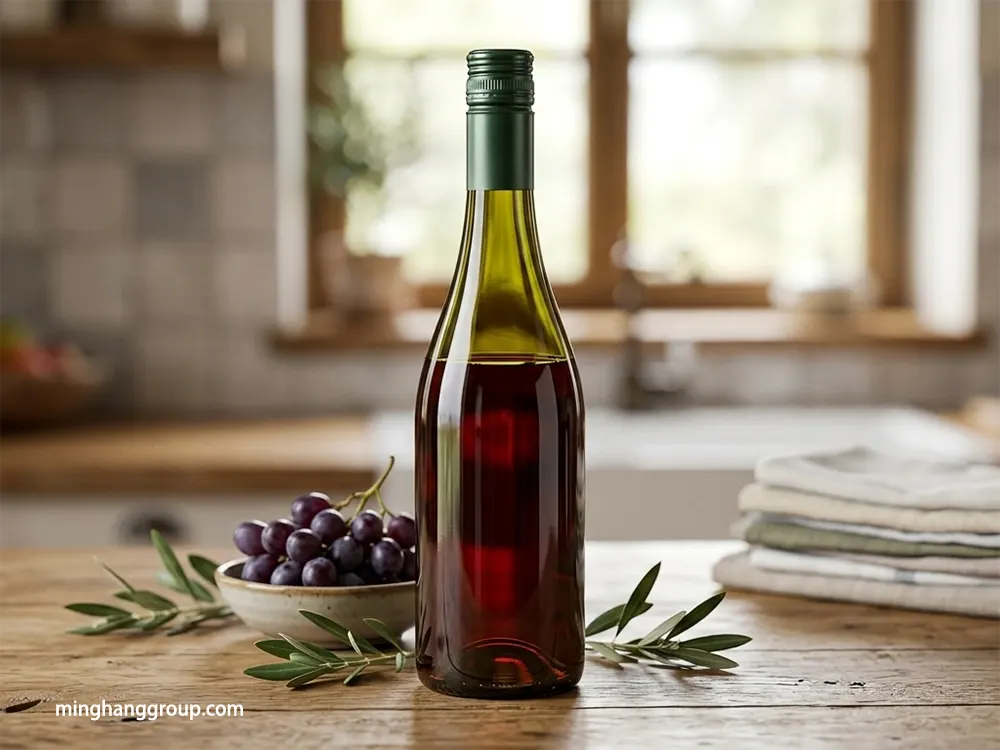
why glass for wine bottles

Why Glass Has Become the Standard for Wine Bottles

Consistency is another significant benefit. Glass bottles are highly suitable for automated filling, labeling and palletizing systems as they have a high compatibility between storage temperatures. The uniformity of manufacturing minimizes downtime in production, and decreases the chances of leakage or failure of closure during long-distance transportation. A reduction in a packaging defect, for exporters who are sending thousands of bottles to overseas markets, can mean large savings.

Colour is also a key factor in wine preservation. Amber and dark green bottles are useful for filtering out some ultraviolet (UV) light that could lead to chemical reactions that have a negative impact on aroma compounds and promote wine deterioration. Clear flint glass is used for rosé wines or for products where aesthetics are key and dark glass is preferred for long-term storage.

Key Benefits of Glass Wine Bottles

 In addition to its technical capabilities, glass offers unparalleled brand opportunities. Bottles can be embossed with logos, deep punched designs, unique neck finishes, screen printed, attached with ceramic decals, frosted, metaled and treated with high-end surface finishes. These decorating options enable wineries to produce unique packaging that embodies their brand and assists items rise above the ever more competitive retail shelves.

Another aspect that consumer perception cannot be ignored. Many market studies have revealed that glass bottles often evoke a sense of authenticity, craftsmanship and high-quality product for consumers. Packaging plays a role in the decision to purchase the wine, even before you open the bottle, so the bottle is now a marketing tool.

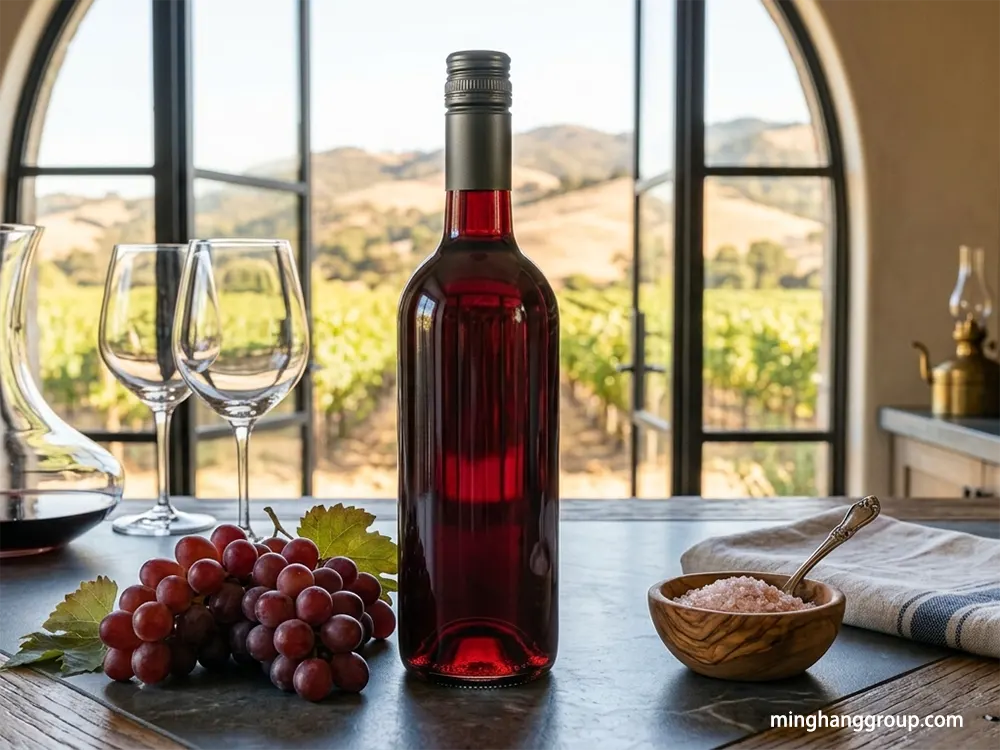
why glass for wine bottles

Glass vs Plastic Wine Bottles: Understanding the Trade-offs

Another consideration is the life span of the product. Plastic bottles work well for wines meant to be enjoyed within a few months of packaging, and are ideal for outdoor retailing, on planes, festivals, and retail outlets. For premium wines that are intended for long-term storage, however, the packaging material needs to be able to retain the delicate aromas of the wine, and provide stable conditions for several years at a time. In these cases, glass maintains a higher barrier to environmental influences, and continues to outperform plastic.

A comparison from the sustainability point of view is also more complicated than it initially sounds. With the lightweight transportation of plastic bottles, plastic bottle transportation causes less pollution than glass; and glass can be recycled endlessly without diminishing material quality. Consequently, many wineries are opting for lighter glass bottles rather than glass for all of their bottles, and are saving carbon emissions without sacrificing premium positioning.

특징유리Plastic (PET)
Oxygen Barrier훌륭한Moderate
Aging Performance훌륭한Limited
무게HeavyLight
Premium Appearance높은Moderate
재활용성훌륭한Varies by region

Wine Bottle Packaging Alternatives and Sustainability

As more and more interest is growing in alternatives to the wine bottle packaging many manufacturers are working to produce lighter glass bottles, aluminum cans, paper-based bottles and Bag-in-Box packaging. These are not a glass replacement, but are serving different market needs. Due to its lightness, this material is particularly favored because it will cut the transportation emissions required without sacrificing the protective capabilities a winery requires. Instead of giving up on glass, a lot of winemakers have chosen to focus on bottle weight reduction and increasing the percentage of recycled glass in the bottles.

Are Tempered Glass Wine Bottles Used?

Some purchasers inquire about tempered glass wine bottles, however they aren’t typically employed in wine-making. Standard container glass that is annealed is strong enough, is cheaper to manufacture, and is more compatible with the existing container bottling equipment. In most cases, modifying the design and manufacturing of the bottle is more beneficial than using tempered glass for the winery.

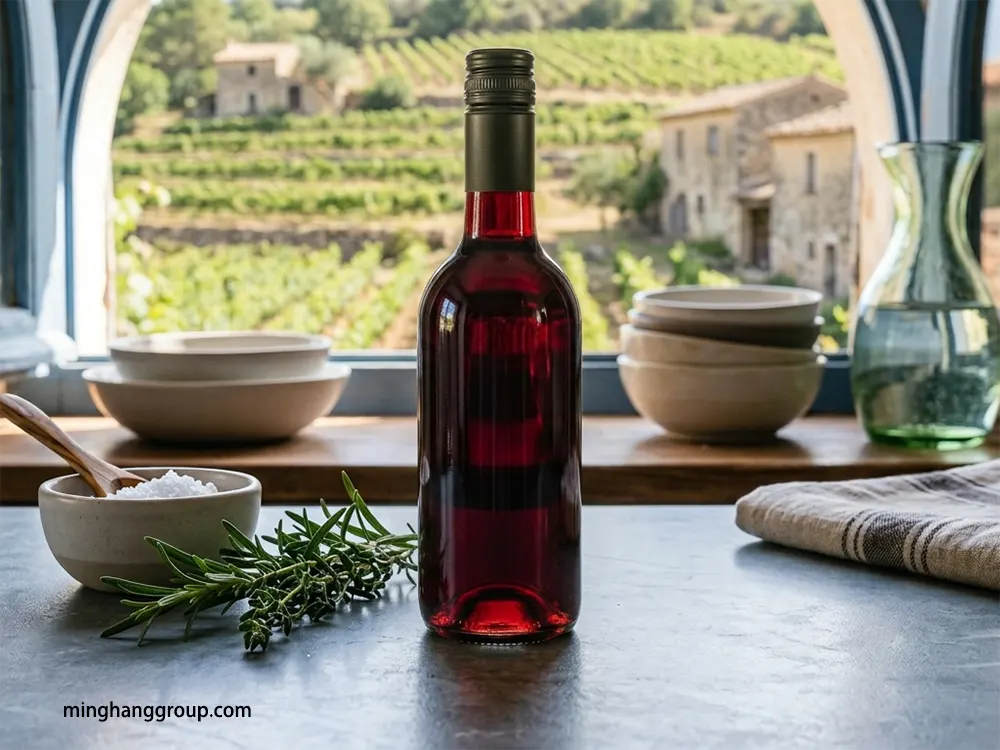
why glass for wine bottles

Frequently Asked Questions

Why is glass better for wine bottles?

Use of glass is preferred as it provides excellent blocking of oxygen, excellent wine flavor retention, long life and excellent recyclability and is a good way to support premium branding.

What are the main glass wine bottle material properties?

Primary properties are chemical stability, good gas barrier properties, high durability, decorative versatility and suitability for long-term storage of wine.

Are sustainable wine bottle materials replacing glass?

No. However, most wineries are not giving up glass as it maintains the best preservation, quality and consumer expectations; instead, wineries are making the switch to lightweight and recycled content glass.

결론

Finally, no packaging material is best in all categories. Each type of bottle–plastic, aluminum, paper, and Bag-in-Box–has its own benefits for certain uses, especially for applications where cost, portability and/or sustainability are the most important factors. However, glass remains the most well-rounded choice in terms of performance, appearance and consumer trust when it comes to premium wines which are meant to be stored for a long time to come and have to be given a strong shelf presence.

The future isn’t about eliminating glass altogether, as the wine industry strives for greater sustainability and reduced carbon emissions in its supply chain. Rather, the manufacturers are oriented toward making a glass bottle that not only preserves the benefits of glass that have already been discovered, but also one that is lighter, stronger and more environmentally friendly. These trade-offs are critical to consider when choosing packaging for wineries, importers, and packaging buyers to ensure the product is preserved and the brand is protected over time.

논평

유리 포장에 대한 더 많은 통찰력

맞춤형 향수병

맞춤형 향수병 제작 가이드

브랜드에 맞는 맞춤형 향수병을 효과적으로 조달하는 방법을 디자인, 생산 및 신뢰할 수 있는 제조업체에 대한 정보를 통해 알아보세요.

밍항 패키징 로고

신뢰할 수 있는 유리 포장재 제조업체로서, 저희는 메이슨 병, 향신료 병, 꿀병, 올리브 오일 병, 핫소스 병 등 내구성이 뛰어나고 맞춤 제작 가능한 유리 용기를 브랜드 및 도매업체를 위해 제작합니다. 표면 마감 맞춤 제작을 전문으로 하는 저희는 제품의 매력을 한층 높여줄 지속 가능하고 시각적으로 매력적인 포장재를 제공합니다.

제품
밍항 브랜드

견적 받기

저작권 ©2026 쉬저우 밍항 포장 제품 유한회사. 모든 권리 보유.

ko_KRKO

見積もりを取得する

年中無休24時間体制でサービスを提供しています。メールは [email protected] 30 分以内に、このプライバシー ポリシーを遵守します。