
معظم المشترين يخمنون.
The vast majority of suppliers will not bother answering.
That’s one of the biggest unseen risks in the procurement of عبوات زجاجية, as wall thickness variation is not usually listed on a quotation sheet, but it directly influences breakage rates, the performance of the glass-filling line, thermal shock resistance, stability of the glass-pallets system, and long-term customer complaints.
This is something that I learned years ago looking at a rejected batch of 500ml زجاجات الحليب الزجاجية. The supplier claimed that the bottles conformed with dimensional requirements. The buyer was convinced that the bottles were failing during pasteurization. Both were grammatically accurate.
It was not the size of the bottle.
It was the distribution of thickness.
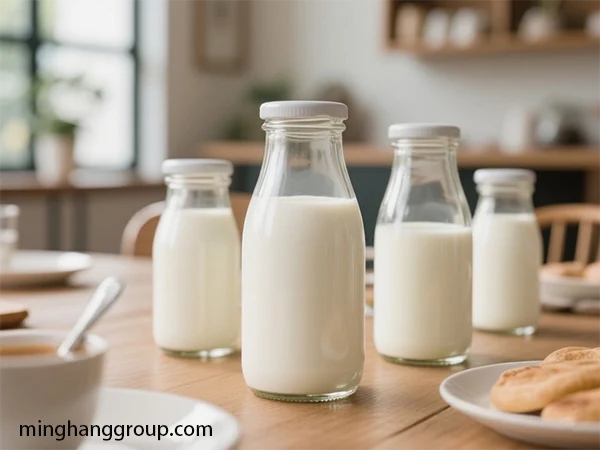
The Importance of Glass Milk Bottle Wall Thickness Tolerance
A glass milk bottle is NOT a solid block of material.
It is a pressure container.
Each millimetre of glass will affect the stress distribution throughout the container during filling, capping, refrigeration, transportation and consumer use.
If the thickness is too uneven, the stress doesn’t distribute evenly.
Instead, it concentrates.
That concentration makes weak points.
It is possible for a bottle to pass inspection in the glass bottle factory but to break during shipping or in the pasteurizer weeks later.
That’s why more and more professional dairy brands are demanding documented glass milk bottle wall thickness tolerance reports prior to enabling mass production.
How Thick Can The Wall Be In The Glass Milk Bottle Before It Fails?
The short answer:
Most commercial buyers are looking for a wall thickness range of ±0.3 mm to ±0.5 mm depending on the bottle design, bottle filling conditions and quality specifications.
Many procurement specifications call for the following for premium dairy packaging:
| نوع الزجاجة | Typical Wall Thickness | Recommended Tolerance |
| 250ml Milk Bottle | 2.5–3.0 mm | ±0.3 mm |
| 500ml Milk Bottle | 3.0–4.0 mm | ±0.3–0.5 mm |
| 1000ml Milk Bottle | 3.5–4.5 mm | ±0.5 mm |
| Returnable Milk Bottle | 4.0–5.5 mm | ±0.3 mm |
But here is the uncomfortable reality.
Many factories only measure average thickness.
The average number means very little if one side measures 2.7 mm and the opposite side measures 3.8 mm.
The bottle may technically meet average specifications while still carrying a significant structural imbalance.
The Hidden Cost of Wall Thickness Variation
Three words.
Stress concentration zones.
A bottle with uneven thickness expands and contracts unevenly during temperature changes.
Consider a milk processing line:
- Bottle temperature: 18°C
- Filling temperature: 72°C
- Cooling tunnel: 4°C
The glass experiences multiple thermal transitions within a short period.
Areas with reduced thickness absorb heat faster.
Thicker regions expand more slowly.
The result?
Internal stress.
And stress accumulation is one of the leading causes of bottle failure.
According to research published by the National Institute of Standards and Technology (NIST) on glass material behavior, structural inconsistencies significantly influence fracture propagation under thermal and mechanical loading conditions.
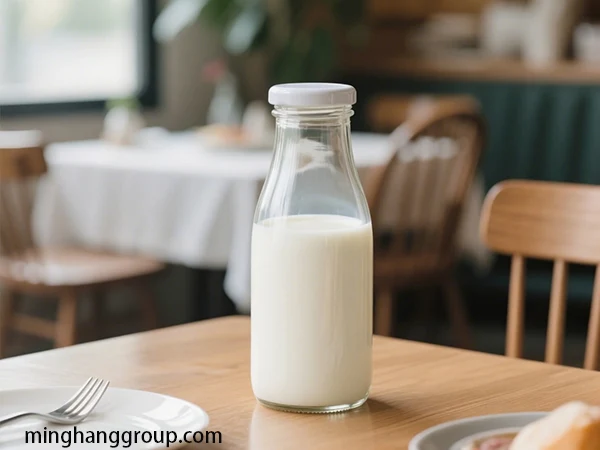
How Manufacturers Measure Glass Bottle Wall Thickness Uniformity
This is where supplier quality separates itself.
A serious manufacturer does not rely on visual inspection.
Instead, thickness is measured using multiple methods.
Ultrasonic Thickness Gauges
The most common industrial solution.
Advantages:
- Non-destructive
- Fast measurement
- Suitable for mass sampling
Laser Scanning Systems
Used by higher-end manufacturers.
Advantages:
- Full profile mapping
- Higher accuracy
- Automated data collection
Sectioned Sample Analysis
H3: Sectioned Sample Analysis
A destructive laboratory method.
Advantages:
- Extremely accurate
- Useful for mold validation
Disadvantages:
Not suitable for every batch
Why Thickness Uniformity Matters More Than Average Thickness
I often see buyers asking:
“What is the bottle wall thickness?”
Wrong question.
The better question is:
“How uniform is the wall thickness throughout the bottle?”
Consider these two examples.
| Bottle A | Bottle B |
| Average Thickness: 3.2 mm | Average Thickness: 3.2 mm |
| Variation: ±0.2 mm | Variation: ±0.9 mm |
| Uniform Stress Distribution | High Stress Concentration |
| Better Thermal Performance | Higher Failure Risk |
Both bottles report the same average thickness.
Only one performs reliably.
What Causes Excessive Thickness Variation?
Several manufacturing factors contribute.
Mold Wear
As molds age, glass distribution becomes less consistent.
Extended mold life saves factories money.
But it often increases dimensional variation.
Gob Weight Inconsistency
هذا هو المكان الذي يبرز فيه المحترفون أنفسهم.
ليس عن طريق التفاوض على السعر، بل عن طريق التحكم في عملية التفتيش.
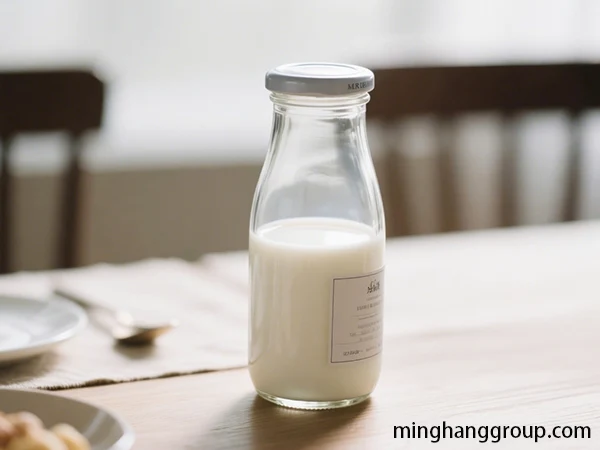
Blow-and-Blow Process Variability
Machine settings influence how glass spreads inside the mold.
Poor calibration results in uneven wall formation.
Temperature Instability
Glass viscosity changes with temperature.
Even minor furnace fluctuations can affect thickness distribution.
Bulk Glass Milk Bottle Thickness Standards Buyers Should Request
Professional importers increasingly require:
| QC Requirement | Recommended Standard |
| Thickness Variation | ±0.3–0.5 mm |
| Visual Inspection | 100% Automated |
| Sampling Plan | ANSI/ASQ Z1.4 |
| Annealing Verification | Required |
| Thickness Mapping Report | Required |
| Production Sample Approval | Required |
Many suppliers provide dimensional drawings.
Far fewer provide thickness distribution reports.
That distinction matters.
Why Returnable Milk Bottles Need Tighter Tolerances
Reusable bottles face additional stress.
Each cycle includes:
- Collection
- Washing
- Sterilization
- Refilling
- مواصلات
After 10–20 reuse cycles, small structural inconsistencies become larger performance risks.
According to packaging research discussed by Reuters manufacturing coverage, sustainability initiatives continue increasing demand for reusable packaging systems, placing greater emphasis on durability testing and lifecycle performance.
For returnable systems, many dairy brands specify tighter thickness tolerances than single-use containers.
Glass Milk Bottle Quality Control Inspection Checklist
Before approving production, buyers should verify:
✔ Thickness uniformity report
✔ Annealing inspection report
✔ Mold maintenance records
✔ Thermal shock testing data
✔ نتائج اختبار الضغط
✔ نتائج اختبار مقاومة الصدمات
✔ الموافقة على عينة الإنتاج
✔ خطة فحص AQL
إن فقدان وثيقة واحدة من هذه الوثائق يزيد من مخاطر التوريد.
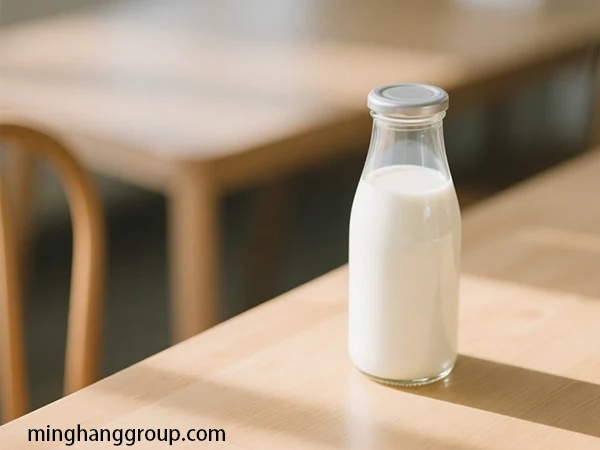
مقارنة مستويات مخاطر تفاوت السماكة
| Thickness Variation | مستوى المخاطر | النتيجة النموذجية |
| ±0.2 مم | قليل | أداء مستقر |
| ±0.3 mm | قليل | مناسب لمعظم تطبيقات الألبان |
| ±0.5 mm | معتدل | مقبول مع مراقبة جودة مناسبة |
| ±0.8 مم | عالي | زيادة خطر الإجهاد الحراري |
| ±1.0 مم+ | شديد الأهمية | زيادة احتمالية الكسر |
الأسئلة الشائعة
ما هو تفاوت سماكة الجدار المقبول لزجاجات الحليب الزجاجية سعة 500 مل؟
بالنسبة لزجاجات الحليب الزجاجية سعة 500 مل، يتراوح تفاوت سماكة الجدار المقبول عادةً بين ±0.3 مم و ±0.5 مم، ولكنه يعتمد حقًا على تصميم الزجاجة، ودرجة حرارة التعبئة، وكيفية نقلها، وما يحدده المشتري والشركة المصنعة كتوقعات للجودة.
بشكل عام، تحاول عبوات الألبان عالية الجودة البقاء أقرب إلى الجانب الأكثر إحكامًا من هذا النطاق، أشبه بـ "التحكم الدقيق" بدلاً من الاتساق الفضفاض.
كيف تقيس الشركات المصنعة سماكة جدار زجاجات الحليب الزجاجية؟
تقيس معظم الشركات المصنعة سماكة جدار الزجاجات الزجاجية باستخدام مقاييس الموجات فوق الصوتية، وأنظمة المسح بالليزر، وأحيانًا قسم المختبر التدميري، حيث يقطعون عينة للنظر في توزيع السماكة. بهذه الطريقة يمكنهم اكتشاف البقع التي يمكن أن تصبح نقطة ضعف هيكلية لاحقًا.
الفكرة الرئيسية هي المزيد عن التوحيد عبر جسم الزجاجة بالكامل، وليس مجرد مطاردة متوسط السماكة.
لماذا يهم تفاوت سماكة الجدار؟
يهم تفاوت سماكة الجدار لأن توزيع الزجاج غير المتساوي يمكن أن يخلق تركيزات إجهاد موضعية أثناء التعبئة والتبريد والتغطية والنقل. لذلك حتى لو بدت الأبعاد العامة جيدة، لا يزال بإمكان الزجاجة أن تنكسر بسهولة أكبر، وذلك أساسًا لأن الإجهاد يتراكم في مناطق محددة.
يميل التوحيد إلى تحسين المتانة، وتشعر سلسلة التوريد بأكملها بأنها أكثر موثوقية في التعامل مع العالم الحقيقي.
ما هو تفاوت السماكة الذي يجب أن يثير قلق المورد؟
إذا تجاوز تفاوت السماكة حوالي ±0.5 مم، فيجب على الموردين عادةً التعامل مع ذلك كعلامة والتحقيق بشكل أكبر. هذا صحيح بشكل خاص للاستخدام في زجاجات الحليب الساخنة، أو المبسترة، أو القابلة للإرجاع، حيث تكون الأحمال الحرارية والميكانيكية أعلى وهناك يمكن أن تصبح أي منطقة رقيقة مشكلة بشكل أسرع.
يعتمد الحد المقبول على متطلبات التطبيق.
هل يجب على المشترين طلب تقارير السماكة من الموردين؟
نعم. يجب على المشترين المحترفين طلب تقارير رسم خرائط السماكة لأن رسومات الأبعاد وحدها لا يمكنها التحقق من الاتساق الهيكلي، بينما توفر بيانات السماكة نظرة ثاقبة على جودة الإنتاج ومخاطر الأداء المحتملة.
الحقيقة الصعبة حول شراء الزجاجات الزجاجية
يتفاوض العديد من المستوردين بقوة على السعر.
قلة يتفاوضون بقوة على توحيد السماكة.
هذا عكس ذلك.
يمكن أن تكون الزجاجة أرخص خيار في ورقة الاقتباس ولا تزال تصبح المكون الأكثر تكلفة في سلسلة التوريد بمجرد تضمين تكاليف الكسر، ووقت التوقف عن العمل، وتكاليف الاستبدال، وشكاوى العملاء.
سماكة الجدار ليست مجرد مواصفات فنية.
إنها مقياس للربحية.
دعوة للعمل
هل تبحث عن مصنع زجاجات حليب زجاجية موثوق؟
اطلب حزمة العينات المجانية الخاصة بنا، وتقرير رسم خرائط سماكة الجدار، وبيانات فحص التلدين، وقائمة فحص مراقبة الجودة للإنتاج بالجملة قبل تقديم طلبك التالي. يقدم مصنعنا زجاجات حليب زجاجية مخصصة مع تحكم صارم في التفاوت، وأوقات تسليم سريعة، وأسعار جملة لعلامات الألبان والموزعين والمستوردين في جميع أنحاء العالم.
إضفاء الطابع الإنساني على 346 كلمة



 AR
AR  EN
EN  FR
FR  DE
DE  RU
RU  IT
IT  ES
ES  PT
PT  TR
TR  KO
KO  JA
JA  ZH
ZH