
Although it may look green on the product page, the true environmental impact depends on a variety of factors including the type of glass used, the energy needed to manufacture the bottle, how far the bottle travelled, the kind of closure on the bottle and the recycling system used, and the chances of it being recycled after use.
That means a difference for the brand if it is sourcing from a dropper bottle manufacturer. Retailers are asking for packaging evidence, procurement teams are looking for defensible supplier specifications, and consumers are familiar with the difference between recyclable, recycled, reusable, and truly lower impact packaging.
The best packaging choices in 2027 will not be made based on the latest craze in the packaging world. They will be sourced from the complete packaging system used, asking for available data to be verified, and from matching the bottle to the product it is supposed to protect.
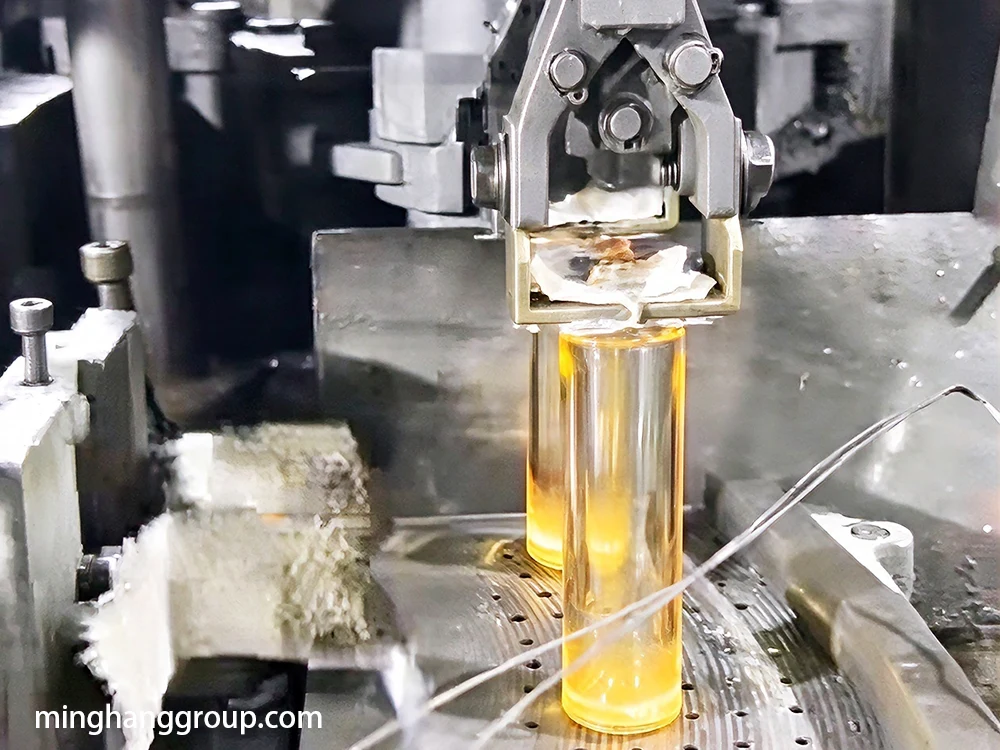
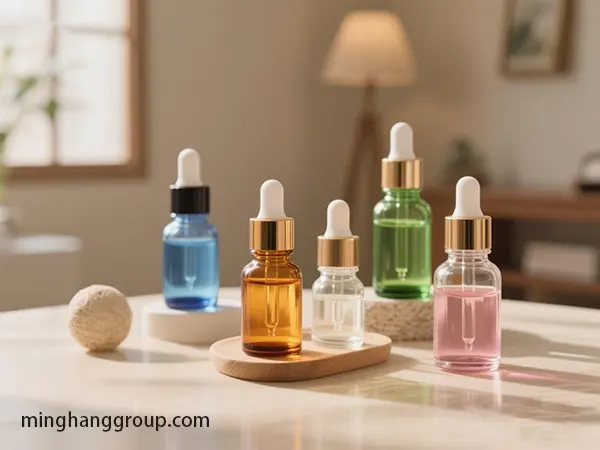
The glass dropper bottle is still a popular option for facial oils, essential oils and facial serums. Glass provides a high quality look and can be recycled if there are appropriate collection and processing systems. But the term “glass is sustainable” is too vague to be used as a procurement criterion.
The full package can include an elastomer bulb, a glass bottle, a pipette, a coating, a printed label, a secondary package, and a collar. Those parts can be made of various materials and have varied end-of-life paths. Technically recyclable bottles can prove to be challenging to process if the parts of the bottle are not separated or if local facilities are unable to process them.
So whether a manufacturer has glass isn’t just the question for B2B buyers. It depends on whether the manufacturer can provide details of the material used, how it is constructed, the packaging weight, manufacturing controls and proof to back up its environmental claims.
The European Commission’s Packaging and Packaging Waste Regulation and U.S. Environmental Protection Agency recycling resources are useful points of reference. These assist buyers to discern between general sustainability messaging and packaging and waste-management needs. Be sure to specify the rules for the markets the product is intended for sale.
2. 2027 Trend: Recyclability Must include the Dropper Assembly
The bottle is just half the packaging equation.
A standard dropper unit typically comprises a glass pipette, a bulb, a collar and other parts of various materials. Sorting may be further complicated depending on the design, coatings, adhesives, and decorative finishes. Anyone who evaluates just the bottle body might miss the point of what makes the package hard to retrieve.
Here is where there’s a need for a more technical definition of eco-friendly cosmetic packaging. Do not ask any supplier if a bottle is recyclable; ask for the material composition of the bottle assembly and determine if it is feasible for recycling with realistic consumer and recycling scenarios.
Possible directions for 2027 product development are the following:
- Simple elements: Minimize superfluous ornamental elements and eliminate incongruous material elements with little functional contribution.
- Materials transparency: Ask for the specifications in writing dealing with the bottle, pipette, bulb, collar, coating, and label.
- Packaging minimisation: Review the bottle’s weight, protective inserts, carton dimension and shipping configuration, without sacrificing breakage protection, for packaging minimisation.
The EU’s Packaging and Packaging Waste Regulation (EU) 2025/40, in general, entered into force on 12 August 2026. Companies selling products to the EU will need to take recyclability, packaging composition and waste prevention into account with its requirements and implementation timeline. It is advisable for buyers to not only agree to generic supplier assurances but also to read the European Commission’s PPWR implementation guidance.
3. Sustainable Glass Dropper Bottle Trends 2027: Whole System Comparison
The main benefit of glass is that it looks attractive, is rigid and works well with numerous formulations and that is why it is still popular for use in high-end cosmetic formulations. However, in not all applications is a glass package the best choice for the lowest impact.
Weight matters. Transport matters. Manufacturing energy matters. Product protection is also important: if a product leaks, breaks or a formulation breaks down, there is waste in the supply chain.
Life-cycle assessment (LCA) is the process of assessing impacts from the extraction of raw materials to the manufacturing, transportation, use and end-of-life processing of containers, according to the European container glass industry association FEVE. Its contribution from a published sector study is based on 2019 production data and is therefore a sector score and not a blanket score for all bottles produced in 2027. Watch FEVE’s glass packaging life cycle assessment.
The lesson for procurement teams is simple: Do regular comprehensive packaging comparisons.
| Packaging option | Potential advantages | Trade-offs to investigate | Best suited to |
| Standard glass dropper bottle | Premium appearance; rigid container; established glass-recycling routes in many markets | Weight, breakage risk, transport emissions, mixed-material dropper assembly | Facial serums, facial oils, essential oils |
| Lightweight glass bottle | Lower container mass may reduce material use and shipping weight | Must still pass impact, leakage, and compatibility tests | Brands balancing premium presentation with material reduction |
| Recycled-content glass bottle | Can incorporate recovered glass and reduce demand for virgin raw materials | Availability, colour consistency, supplier evidence, market-specific collection systems | Brands with documented recycled-content targets |
| Plastic dropper bottle | May reduce package weight and shipping breakage in some formats | Resin choice, barrier performance, recycled-content availability, and local recycling access | Selected formulations and distribution models |
| Refillable packaging system | Potential to reduce packaging demand over repeated uses | Cleaning, return logistics, hygiene, component durability, and actual refill rates | Brands with a viable refill programme |
In none of the combinations is one particular line guaranteed to win. A lower package could lead to better transport efficiency, and a heavier glass package could lead to better brand or product formulation requirements. A refillable system can only be as effective as the customers who refill the container and the ease of use of the refill system.
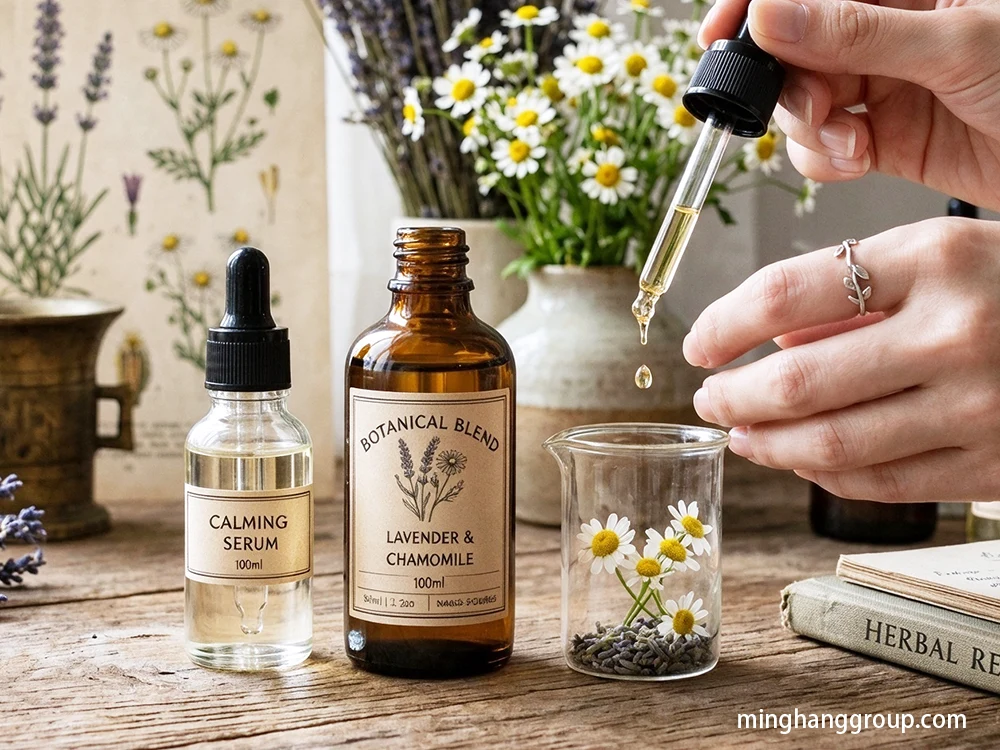
4. Cosmetic packaging manufacturers must discuss the following with B2B Buyers
There is no point in having a sustainability claim if there is no evidence to support it. Procurement firms should request documents that tie marketing terminology to quantifiable specifications before approving a new supplier.
This is a checklist that may be put in a supplier questionnaire or packaging development brief.
| Procurement checkpoint | Questions to ask | Evidence to request |
| Material composition | What materials make up the bottle and full dropper assembly? | Component-level material specifications |
| Recycled content | Does the bottle contain recycled glass? What percentage is verified? | Supplier declaration and supporting documentation |
| Quality and safety | Does the packaging suit the intended formula and filling process? | Compatibility, leakage, and relevant safety test reports |
| تصميم خفيف الوزن | Can bottle weight be reduced without affecting performance? | Current and proposed weights; comparative test results |
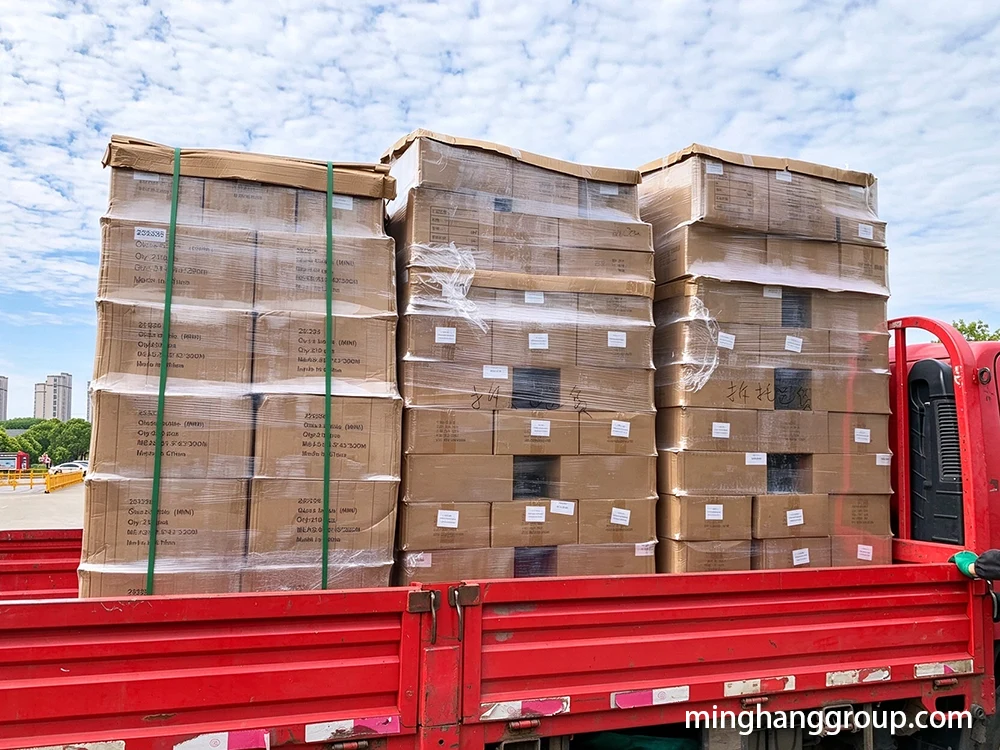
| Shipping | How are bottles protected during bulk transport? | Carton specifications, packing plan, and transit-test results where available |
| Compliance | Which requirements apply in the destination market? | Applicable declarations, technical documentation, and test reports |
| Customisation | Can printing, coatings, labels, or colours affect recycling? | Finish specifications and market-specific recyclability assessment |
A good product for cosmetics can not necessarily be a good product for another. There are different compatibility requirements for essential oils, acid products and specific solvents. Ask for evidence that the product is not simply a safe general bottle for cosmetics, but is tested using the actual formula.
Similarly, don’t assume that a supplier’s ISO or overall quality certificate indicates that a particular package can be recycled, leakproof or that it is suitable for your formula. They are not the same questions and need to be answered with different evidence.
5. Recycled Content, Lightweight Design and Refillable Formats
There are three developments that should be closely examined for sustainable packaging trends in cosmetics 2027.
Recycled glass needs traceable claims
Recycled glass can help to decrease the need for virgin raw materials. According to FEVE, with its stated production model, 100% recycled glass (cullet) consumes 25.4% less melting energy than 100% virgin raw material glass. This is a particular model result and not a sure cut in the total environmental impact of every completed bottle. (FEVE life-cycle assessment)
Inquire with manufacturers if recycled content is available for the bottle requested: does it contain a percentage? Does colour or appearance vary? Don’t use a verbal assurance as a substitute for publishing a recycled content claim.
Lightweighting is not an assumption – it should be measured
Weight reduction of the glass can reduce material consumption and shipping weight. However, if the bottle is lighter, the damage, replacement and transport costs may rise as a result of its increased tendency to break.
The first comparison of suppliers can start with the hypothetical scenario of ordering 10,000 bottles:
- Existing bottle weight: 100 g per bottle.
- Proposed bottle weight: 8.5 g (per bottle).
- Potential glass reduction: 150 kg across the order.
This is a demonstrative calculation and not an actual environmental savings measurement. Check actual bottle weights, breakage rates, transport configuration and performance test results before approving the change.
A working system is required for refillability
Reusable packaging isn’t necessarily better just because it’s reusable. Brands need to take into account the return or refill route, cleaning needs, customers’ involvement and the longevity of the bottle/dropper combination.
If you have loyal customers for your direct-to-consumer skin care brand, you may want to add a refill option. If a distributor is shipping products to several different countries, a disposable glass bottle that is comprised of fewer parts may be more convenient to operate. The correct answer will be determined by the specific supply chain.
6. How to Pick a Sustainable Dropper Bottle Manufacturer
It is not always the partner with a large catalogue or the most environmentally-friendly language on its website that is the best sustainable packaging partner. That is the one which can record its claims, test the package against your formulation, and provide consistent products at a commercially feasible cost.
Here are some tips to follow when narrowing down cosmetics packaging manufacturers:
- Define the application. Note formula, fill volume, viscosity, target market, dispensing requirements, and shelf life.
- Request a complete specification. Add dimensions of bottles, bottle weight, glass colour, pipette length, material of the bulb, material of the collar and surface treatments.
- Test whole assembly. Inspect for leakage, consistency of dispensing, fit of closure, formula compatibility and transport performance.
- Verify sustainability claims. Request certification of recycled content, material composition, and relevant recyclability testing.
- Compare the total landed costs (TLC). Add bottle and cap, decoration, protective packaging, freight, breakage and quality-related losses.
- Approve a production sample. Ensure bulk production conforms to the sample and recorded specifications.
If the product is intended for distribution into the EU follow the relevant EU Packaging and Packaging Waste Regulation as well as the cosmetic-product requirements. Ensuring packaging compliance and cosmetic-product safety are different issues. Packaging interactions and product safety are topics that can be explored in the context of the EU Cosmetics Regulation, as well as the relevant guidance. (EUR-Lex)(EUR-Lex guidance)
7. Frequently Asked Questions
What are the main sustainable dropper bottle trends for 2027?
The key areas to monitor are recorded recycled content, lightweight glass, easy component assembly, packaging minimisation and refill systems (where feasible and practicable). Purchase decision should be made based on product protection, logistics and infrastructure of target markets.
Would glass dropper bottles be more sustainable than plastic bottles?
Not in every case. Normally, glass is denser than plastics and can be sold in several markets, and possesses some interesting properties of product and branding. The overall result is determined by the production of materials, package weight, transportation, product protection, reuse and end-of-life processing.
How can buyers verify a dropper bottle manufacturer's sustainability claims?
Ask for specifications of written materials, evidence of recycled content percentages, package weights, pertinent test reports and information on the full dropper assembly. If the supplier is claiming to contribute to the environment, ask them if they have a life-cycle assessment to a clear scope and methodology.
What should skincare brands consider when choosing eco-friendly cosmetic packaging?
Always start with the compatibility of the formula and dispensing performance. Then evaluate the contents of the bottle, separation of its components, bottle decoration, packaging protection for transport, target markets, packaging for recycling, minimum order quantities and total landed cost. There’s no need to compromise on the safety or reliability of the product when it comes to sustainability.
Will the custom dropper bottle supplier help recycle?
Yes. A manufacturer might be able to develop a lighter bottle design, a smaller carton size, more convenient closures, or other finishes. However, each of the proposed changes would have to be verified by the specification review and performance testing before mass production.
What should a B2B buyer ask for prior to ordering in bulk?
Deliver technical drawings, material specifications, approved samples, quality-control requirements, compatibility and leakage test results, packaging and applicable compliance documents for application and destination market. There should be supporting evidence for environmental claims.
8. Develop a More Defensible Packaging Roadmap to 2027
Cosmetic packaging is moving away from looks and general terms of sustainability. To the purchasing side that is coming from a dropper bottle manufacturer, the commercial benefit is to secure a package that is not only material efficient, but also reliable for dispensing, product protection, environmentally transparent, and with verified environmental information and dependable bulk supply.
For large orders, look at two or more packaging options, send out samples and establish measurable acceptance standards. Any change in the weight of the bottle, or change in the bottle component, can be worthy of studies, as long as it is supported by product performance and evidence.
Thinking of starting a new essential oil or skin care line? Talk to your packaging supplier about the following packaging specifications: Bottle capacity, formula type, preferred bottle material, estimated bottle order quantity, destination market, and customisation needs. All of these information enables you to compare suitable alternatives and create meaningful quotes and value improvement before making.
 AR
 EN
 FR
 DE
 RU
 IT
 ES
 PT
 TR
 KO
 JA
 ZH