
1. Why Glass Jars Are More Than Just Containers for Food & Beverage Brands
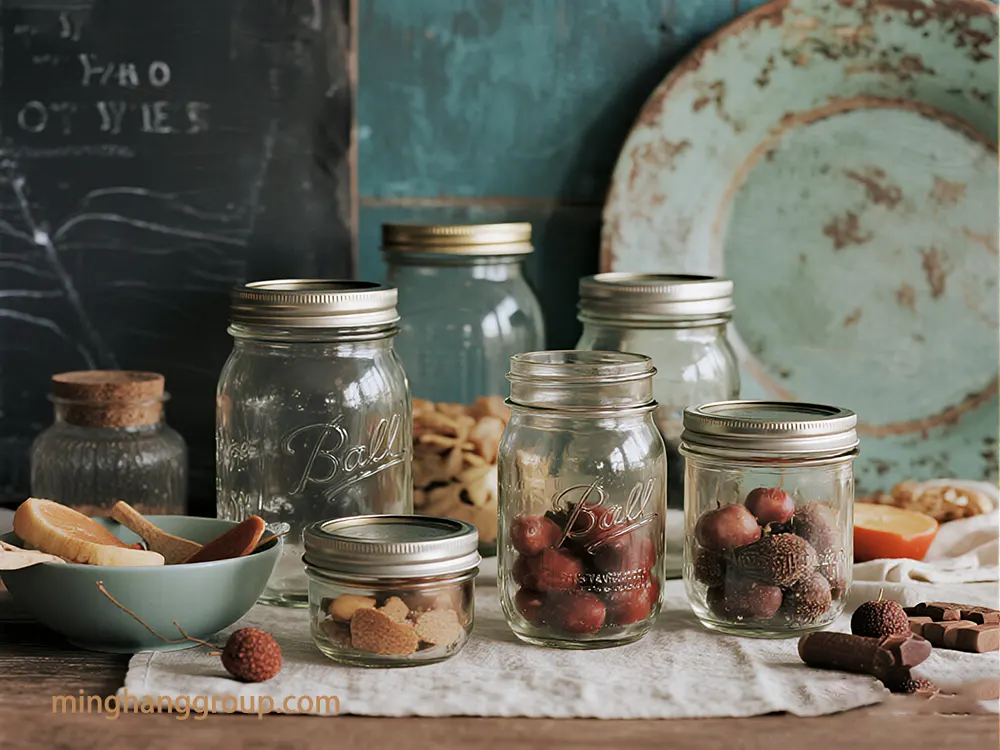
The dynamic between the food and beverage (F&B) brands and the glass mason jars factory is an essential alliance, founded on mutual commitments to product integrity, consumer trust, and market differentiation. Glass packaging, in particular, the multi-purpose mason jar, is instrumental in protecting the quality, prolonging the shelf life, and raising the market perception. By doing so, it makes glass jar factories the closest accomplices without whom they would not be able to provide the essence of F&B product success. Glass’s natural attributes, when coupled with cutting-edge manufacturing, thus these factories can be seen as the main drivers behind the brands’ decisions to go for sustainability and still keep up with the excellence trend.
2. Inside a Glass Mason Jars Factory: How Quality Packaging Keeps Food Fresh & Brands Shining
Handcrafted glass jars offer unmatched benefits not only in product preservation but also in brand enhancement. Thanks to their singular material characteristics, glass-stored food and drinks remain of the original quality, with the taste and even the nutritional value being retained, while on the other hand, the brand gets a phenomenal elevation in perception and trust from the consumers due to the visual appeal.
2.1. How Glass Mason Jars Factories Ensure Superior Product Integrity and Safety
Glass, being a chemically inert material, does not allow the release of harmful substances such as BPA, phthalates, or microplastics even under conditions of heat or acidity into the contents. The non-reactive characteristic of glass retains the flavor, the smell, the purity, and even the nutrition, thus, it is the perfect packaging for liquids like juices, and sauces, and food specially made for babies. The U.S. FDA classifies glass as “Generally Recognized As Safe” (GRAS) for food storage, which is a unique recognition.
Glass also has excellent barrier properties, thus it is totally impervious to oxygen, CO2, moisture, and other gases, and this is very important in that it prevents and/or slows down the process of spoilage and degradation. Due to its impermeability shelf life is extended. Because of glass, which resists high temperatures very well, pasteurization, and hot-filling, are possible, which in turn are very important for killing bacteria and extending shelf life.
In addition, amber or green glass is a sort of sunscreen for oils, beers, and dairy products being able to protect them from UV light, which in turn ensures that the color, the flavor, and even the nutrients are retained. It is worth mentioning here that the amber glass is FDA-approved GRAS and it is very efficient in blocking UV rays.
2.2. Enhanced Brand Equity and Premium Positioning
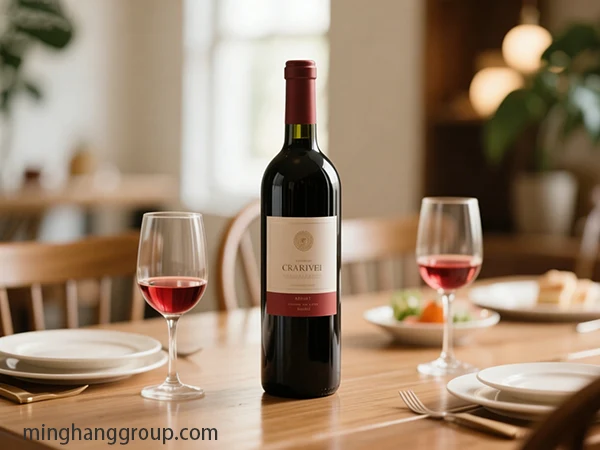
One of the inherent qualities of glass packaging is that it is able to communicate not only the quality but also the sophistication and the luxury of the product that is contained in it, thus, the perceived value of the product is raised considerably. We can see this very clearly in expensive product categories like that of fine wines, craft spirits, and gourmet foods. The transparency feature of glass allows for the visual inspection of the product, thus, the latter becomes more appealing and trustworthy. Some of the physical characteristics of glass such as “heft” and “cool to the touch” are some of the ways by which glass is able to give a consumer a premium sensory experience and consequently, influence a purchase.
Consumer surveys have always revealed that people prefer glass packaging. The 2023 EcoFocus survey showed that 70% of consumers think that food can be safely stored in glass containers, while 65% trust products packed in glass more. The trust that people exhibit thereby gives brands the opportunity to charge more for their products.
Besides quality, one of the most important factors that come into play is the attractiveness of a product and the ability to build “iconic identity” through unique designs, embossing, and custom closures which are the elements that packaging as a “brand ambassador” heavily relies on. This makes the products distinguishable from one another in the crowded market and it also helps in communicating the brand story.
3. Green & Clean: How Glass Jars Boost Sustainability Goals
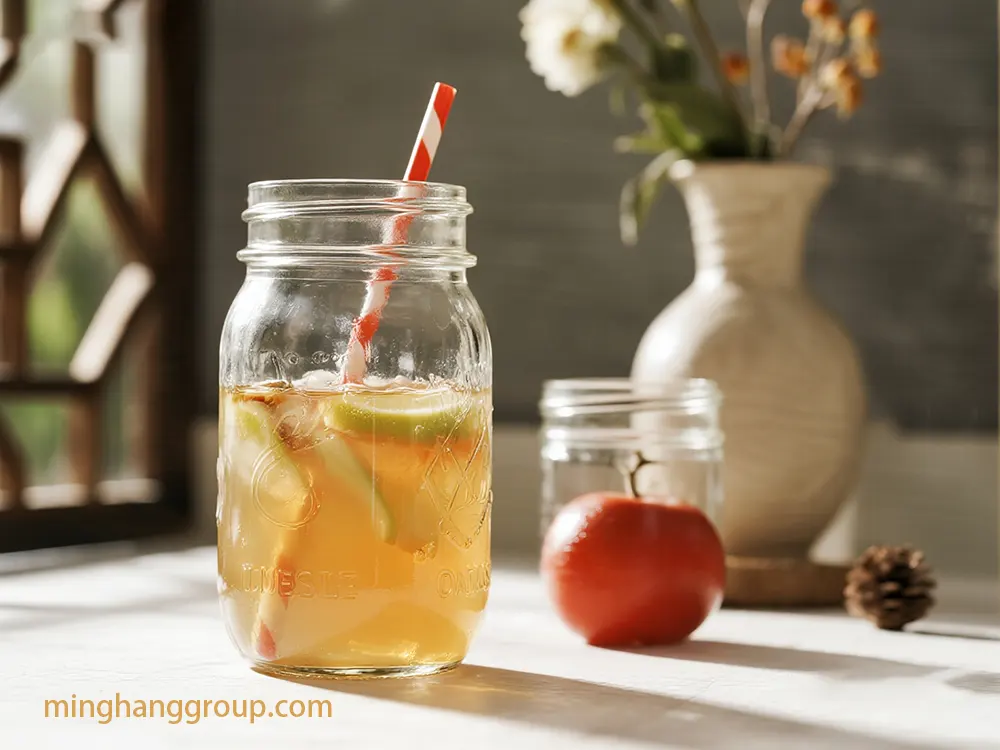
One of the main reasons to back up glass packaging is its environmental benefits which are basically the core of the appeal. Such advantages help brands to mitigate the sustainability mandates and attract eco-conscious consumers. Glass mason jars factory are essential in producing the highly recyclable, reusable, and inert containers that pave the way for a circular economy.
| Sustainability Feature | Benefit |
| 100% recyclable glass | Supports circular packaging |
| Reusable jars | Reduces packaging waste |
| Lightweight design | Lowers transportation impact |
4. Smooth Sailing: Reliable Supply Chains & Smart Economics
Packaging supply chain reliability and cost-effectiveness are F&B brands’ main concerns. Through glass mason jars factory and partnerships, brands can secure the supply of premium packaging and thus also their manufacturing efficiency, reduction of spoilage, and overall cost-effectiveness.
4.1. Ensuring a Reliable Supply Chain
Reliable supply chains are at the core of product availability for F&B brands. One of the most effective ways to achieve this is by partnering with those glass factories investing in stockholding and providing a solid base for the supply chain (e.g., 12,000-pallet capacity of Glassworks International). This not only assures the supply but also lessens the risks associated with fluctuations in production and prices.Therefore, rich-stock and-efficient-storage facilities must go hand in hand with well-managed inventories, including FIFO methods, correct storage, and automated tracking.
Lead times for standard glass packaging are between 6-15 weeks with a waiting period even longer for uniquely-designed ones.Factory relationships and continuous planning walk side by side in this case.
4.2. Manufacturing Efficiencies and Cost-Effectiveness
Currently, a glass filling line may be functional for a high-speed work protocol, depending on the capacity of the line.This is flexibility for a variety of products with great accuracy and almost no spillage, therefore, guaranteeing produced goods to be at the same level of consignments.Thus the main criteria for performance are represented by capacity, speed, minimal TPO, and stable CO2 levels alongside the overall equipment efficiency.
The point at issue is to make the minute part of breaking completely avoided.In such a manner, while the rate was at around 3% in 1940, as a result of transportation losses nowadays, it leads to roughly $4.7 billion worth of global damage each year.Precisely physical shocks, uneven packaging, and vibrations are blamed for the most part.Factories and brand worlds are jointly working on new packaging ideas such as custom-molded inserts that may decrease destruction by up to 37%.
One thorough Glass Total Cost of Ownership (TCO) study is basically a sum of direct expenses like those for materials, manufacturing, and shipping along with those hidden ones such as damaged inventory and regulatory compliance costs.Taking as an example that one unit of glass bottle packaging is worth of $0.6-$1.0, still, being a luxury item, this can allow brands to raise their prices for up to 30% by 15-30%.On the other hand, investments in custom molds can be significant while energy costs may account for almost one-third of the production of glass.
4.3. Regional Manufacturing and Supply Chain Resilience
Regional glass manufacturing indeed helps supply chain resilience by lessening the dependence on far-off suppliers.While the industry is still energy-consuming, it has managed to reduce its CO2 emissions per ton of glass by 69% during 1960-2010.A significant factor in the company’s decarbonization plan is increased cullet utilization, thus lowering the demand for virgin raw materials (e.g., AGC Glass Europe was using 730,000 tons of cullet in 2024).Besides the use of the alternatives for heating (biogas, electricity, hydrogen) and carbon capturing techniques, other decarbonization levers are also in place.
4.4. Contractual Stability and Food Safety
Formal partnership models such as the agreement between Boston Beer Corporation and Anchor Glass Container Corporation (2007) detail aspects of exclusive purchasing, quantities, pricing, and quality standards.With Prescribed Adjustment Clauses (PACs) thus, the negotiating parties also gain the opportunity to be more flexible as they can accept automatic adjustments based on external triggers such as commodity costs or inflation without the need for frequent renegotiations.
Supplier certification and traceability should be the first considerations when it comes to food safety. Good certification and constant auditing processes including material certificates and the chemical migration data have to always be present in the supplier’s documentation.The inherent stability of glass along with strong labeling features makes it very traceable and is in full compliance with UK and EU standards.
5. A Perfect Fit: Glass Jars for Every Food & Beverage Niche
Glass mason jars factory essentially is the creators of containers that are useable for an endless variety of F&B segments, starting from small-scale producers who want to attract customers with a luxurious look to large-scale brands that are more interested in product preservation and safety. By using customization, brands will be able to create such unique identities that will be able to resonate with the right target audience.
5.1. Customization for Brand Differentiation
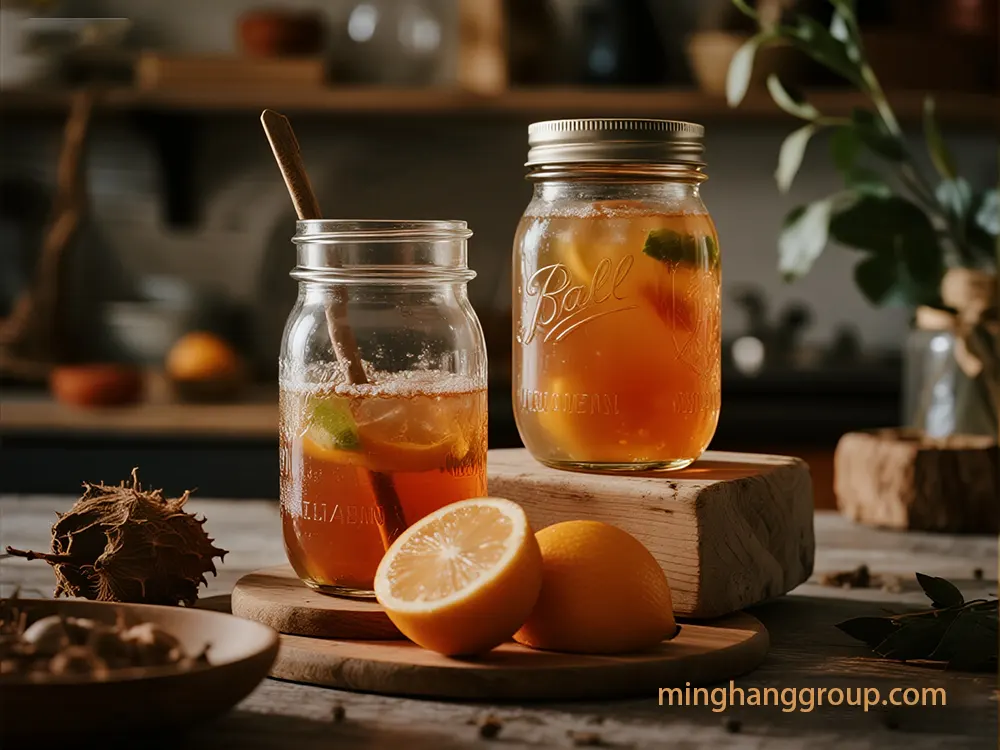
The glass packaging is very flexible with respect to customization and thus can easily be used for brand differentiation. Some of the ways included bespoke shapes (e.g., hourglass, hexagonal), various capacities (10ml to 1-gallon), and a broad spectrum of colors (amber, green, cobalt blue, flint) with different levels of transparency.
The decorative finishing components like embossing, debossing, frosting, silk screening, and acid etching can be used not only to enhance the aesthetic aspect of the product but also the tactile one. In addition to that, the custom closures that comprise the textured caps, the engraved corks and the variety of lid materials, can become a very significant source of brand identity as well as a guarantee for product integrity.
5.2. Strategic Importance of Unique Packaging
One of the main uses of custom glass packaging is a strategic influence on consumer perception and purchase decisions. Among the major effects are the creation of strong brand recall, improvement of premium perception, and enhancement of gifting value. The distinctive shapes and textures make a product very visible on the shelves.Iconic examples are Absolut Vodka and Tabasco Pepper Sauce. According to NielsenIQ (2023), 63% of consumers find distinctive packaging as one of the most persuasive factors for purchasing high-end F&B. The tactile qualities of glass attract the consumers’ trust, feeling of security, authenticity, and luxury, hence their willingness to purchase the product and brand loyalty increases.
5.3. Catering to Diverse Market Segments
Glass is the most preferred packaging material in the premium and specialty F&B sectors because of its inert properties that help in preserving the taste and the overall product integrity without any chemical reactions. The FDA’s GRAS designation is the ultimate guarantee of food safety.The examples are Yoplait’s Oui yogurt cultured in glass and Del Monte’s College Inn stock going back to glass.Brands such as Himalaya and Ritual employ glass packaging to not only convey their heritage but also gain the trust of the wellness consumers who are generally modern and well informed.
Moreover, glass is a very good barrier against oxygen, moisture, and light, which are major causes of food spoilage. This ensures not only the freshness of the food but also that its shelf life will be extended, which is of great importance for that kind of foods.
5.4. Manufacturing Flexibility and Expertise
Custom glass Minimum Order Quantities (MOQs) are different for each category and may range from 20,000 up to 500,000 pieces. However, Minghanggroup, a few other suppliers, and a small amount of customers can hold smaller batches (6,000 units) for launches and niche markets and small glass jars with stock MOQs as low as 1,000 units for startups are also available.
Innovative glass packaging is usually tied with the involvement of a specialized design agency that is offering a complete package of services. A company like Saverglass has a special unit for custom-made bottles. Large modern companies use fully automated production lines and electric furnaces for the majority of their production, some even reaching 1.2 million units daily with the option for expansion up to 3 million units. The ability for quick prototyping is an essential capability of some companies, with several providing a 72-hour prototyping period for custom requests, thus factory-fillable products can be created in as short as 40 days if orders are large. The developing technology of “Liquid Glass” even enables the 3D printing of transparent fused silica glass for fast prototyping.
6. The Road Ahead: Innovations & Challenges in Glass Packaging
The evolution of the glass packaging industry is evident through the new demands it meets for consumer engagement, efficiency, and sustainability. While innovations are driving the industry to new heights, there are still severe issues that need a strategic approach and solutions borne of collaboration.
6.1. Innovations in Glass Packaging
- Advanced Lightweighting: The technology utilized by the companies Vetropack and Verallia reduces the weight of the bottle even by one-third, therefore it increases the strength, lowers carbon emissions, and hikes the reuse cycles. The market for ultralight glass bottles is expected to grow considerably.
- Smart Packaging Integration:With the help of smart technologies, the glass packaging can become an interactive platform. The use of QR codes, NFC tags, RFID, AR, and smart sensors makes it possible for interactive labels to link to recipes, brand stories, and promotions, thus attracting more consumers. With the help of NFC tags, it is possible to keep the goods under real-time surveillance and authentication. IoT sensors can be used to monitor the conditions of the transport, while thermochromatic inks can indicate the serving temperature.
- AI and Machine Learning in Production: Arglass uses AI and machine learning not only for quality and sustainability but also for identifying trends in real-time and thus preventing defects, which ultimately leads to higher efficiency and less waste.
7. The Indispensable Jar: Solidifying the Partnership
Glass packaging innovations and their various benefits clearly position glass mason jar factories as essential and strategically valuable partners that contribute to the success and longevity of F&B brands. Glass has a unique value proposition that no other packaging material can match, thus it is the one that safeguards product integrity, enhances brand appeal, drives sustainability, and assures supply chain resilience.
One of the most important hallmark characteristics of glass is its chemical inertness, which in turn guarantees product purity and consumer safety. Such attributes are very critical in an era where consumers are becoming more health-conscious and are skeptical of plastics. Besides, it is a premium product which enhances brand perception and thus consumers are willing to pay higher prices and become more loyal. Moreover, glass is an eternal recycling material and at the same time, it has a high potential for reuse, and the industry’s relentless efforts in reducing weight and making sustainable products place it as a leader from an environmental point of view.
In a nutshell, F&B brands through the existence of reliable supply chains, efficient high-speed filling lines, risk identification and minimization can run their businesses smoothly and in a cost-effective manner. The vast customization possibilities, on the other hand, empower brands to create distinctive market segments, design packaging that become consumers’ favorites, and thereby attract them significantly.
Innovations in light-weighting, surface treatments, smart packaging, and environmentally friendly manufacturing processes will, as a matter of fact, keep glass ahead of the competition in future. Although there are obstacles such as energy costs and competition, the strategic collaboration between F&B brands and glass mason jar factories including Minghanggroup, is still very strong and it will continue to develop and bear fruit in the future, quality, safety, and a sustainable future being the shared commitments. The indispensable glass jar remains one of the cornerstones of the food and beverage industry.

 EN
EN  FR
FR  DE
DE  RU
RU  IT
IT  ES
ES  PT
PT  AR
AR  TR
TR  KO
KO  JA
JA  ZH
ZH