
Введение
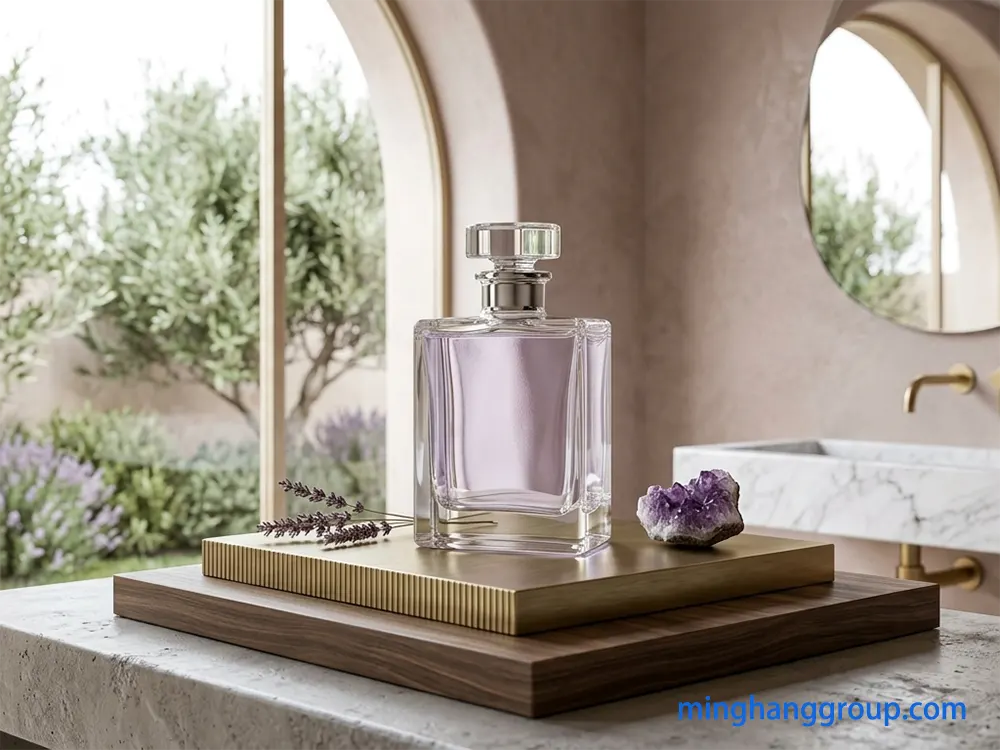
Чёткое определение объёма работ по изготовлению флаконов для духов на заказ позволит избежать дорогостоящих задержек и неприятных последствий. Опыт Minghonggroup в производстве флаконов для духов на заказ гарантирует высокое качество продукции, гибкость и бесперебойную цепочку поставок с минимальным объёмом заказа, что делает её идеальным выбором как для независимых, так и для люксовых брендов.

Целевой масштаб операции
- Независимые бренды/стартапы: Сосредоточьтесь на уникальной эстетике с низким минимальным объемом заказа, гибкостью и стандартными или полустандартными бутылками.
- Бренды среднего размера: Индивидуальные формы и изысканный декор, сбалансированные затраты и большие преимущества в плане качества.
- Роскошное предприятие: Отдайте предпочтение непревзойденному мастерству, инновационному дизайну и уникальности, оправдывающим значительные инвестиции в высокий минимальный объем заказа, изготовление на заказ форм и высококачественную отделку.
Варианты настройки
- Полностью индивидуальная форма: Этот вариант обеспечивает максимальный уровень персонализации, предоставляя вам полный контроль над формой и размером бутылки. Вы можете рассчитывать на более значительные затраты на установку, и, как правило, для такого рода работ требуются большие минимальные заказы (от 10 000 до 50 000 и более единиц).
- Индивидуальная отделка стандартных бутылок: Более доступный подход к созданию уникального дизайна. Украшение стандартных бутылок различными способами, такими как печать, матирование или металлизированные покрытия, — вот выход. Этот метод позволяет делать небольшие минимальные заказы (от 1000 до 5000 единиц).
Типичные минимальные объемы заказа (MOQ) и объемы производства
- Минимальный заказ на стеклянные бутылки: Индивидуальные формы 10 000–50 000+ единиц; Стандартные бутылки с декором 1 000–5 000 единиц.
- Минимальные объемы заказа (MOQS): Насосы, колпачки и воротники имеют разные минимальные объемы заказа. Выровняйте их, чтобы избежать дисбаланса.
- Планирование объема продукции: Годовой объем для прогнозирования долгосрочных цен и отношений с поставщиками.
Конструкция, технические характеристики и выбор материалов
Воплощайте концепции в осязаемые индивидуальные флаконы для духов, гарантируя бренду видение, функциональность и качество.
Желаемый уровень настройки
- Индивидуальная форма: Стоимость настройки прослушивания и большой минимальный объем заказа (10 000–50 000+ единиц) Самая сложная настройка (форма, объем и т. д.)
- Стандартная бутылка Bsp Украшение: Недорогой способ создания уникального внешнего вида бутылки с помощью индивидуальной отделки (печать, матирование, металлизация). Небольшой минимальный заказ (1000–5000 шт.).
- Прототипирование: Изготовьте физические прототипы (отпечатанные или выдутые вручную) для тактильной оценки и проверки соответствия перед изготовлением формы.
Методы отделки и декорирования флаконов для духов на заказ
- Отделка поверхности: Доступные варианты отделки: прозрачная, матовая (травление кислотой), цветное покрытие, металлизация, а также переливающиеся или перламутровые эффекты.
- Техники декорирования: Декорировать бутылку можно такими методами, как трафаретная печать, горячее тиснение, нанесение наклеек, лазерная гравировка, тампопечать и напыление покрытий.
Выбор подходящего стекла или альтернативных материалов
Стекло:
- Тип I (боросиликатный): Высокая химическая/термическая стойкость, высокая конечная чистота.
- Тип III (сода-лео): наиболее распространенные, отличной прозрачности, экономичные (кремень, янтарный, синий, зеленый).
- Дополнительное бесцветное стекло: Премиальная газировка Chuno с лучшей прозрачностью для роскоши.
- Перерабатываемое стекло (PCR): Прочный вариант, улучшенная четкость.
- Альтернативные материалы: Биопластик (PLA, PHA), переработанный пластик (RPET, RPP), алюминий (легкий, прочный).
- Факторы отбора: прозрачность, эстетичность, долговечность, химическая стойкость, износостойкость, стоимость.
Стратегия поиска поставщиков и географический фактор
Выявите, оцените и взаимодействуйте с производителями с учетом стоимости, качества и географического влияния сроков поставки. Единый источник minghoggroup повышает надежность, обеспечивая своевременную доставку флаконов для духов на заказ и прочные отношения с поставщиками.
Чтобы определить потенциальных производителей
Источники: платформа B2B B Neline (Alibaba), отраслевая выставка (Lux Pack), ассоциации, рекомендации, специальные агенты по поиску поставщиков.

Определение приоритетов в определенных географических регионах для поиска поставщиков
Азия (Китай, Индия):
- Плюсы: Экономическая эффективность, производство в больших объемах, комплексные возможности.
- Минусы: Длительная доставка, трудности с контролем качества, вероятность нарушения прав интеллектуальной собственности.
Европа (Франция, Италия, Германия):
- Плюсы: Мастерство в роскоши, прорывные технологии, надежная интеллектуальная собственность, ориентация на экологию.
- Минусы: Дорого, большой минимальный объем заказа (MOQ).
- Северная Америка (США, Канада):
- Плюсы: Доступность, быстрая доставка, надежный IP, хорошее качество.
- Минусы: Самая высокая цена, малое количество квалифицированных рабочих.
Методы первого контакта с потенциальными поставщиками
- Подробный запрос цен: Покупатель должен предоставить полную информацию, такую как условия поставки, размеры, материалы, отделка, украшения, целевое количество/минимальный объем заказа, цены, график поставки, стандарты качества, требуемые сертификаты и любые соответствующие технические чертежи.
- Соглашение о неразглашении (NDA): Перед раскрытием любых конфиденциальных концепций дизайна необходимо подписать соглашение о неразглашении, чтобы гарантировать защиту прав интеллектуальной собственности создателей.
- Первоначальный контакт: ТПервый шаг — понять, ясно ли сообщение, сохранился ли профессионализм отправителя и оценена ли отзывчивость отправителя.
Оценка поставщиков, расследование и этичный выбор поставщиков
Важно выбрать правильного партнера-производителя. Необходимы комплексная оценка и соблюдение этических норм.
Структура для тщательной оценки потенциальных поставщиков
Оценка: способности, навыки, стандарты качества (ISO 9001, протоколы контроля качества), производительность продукта, финансовая стабильность, коммуникация, отзывы клиентов и данные заводской ИТС.
Оценка устойчивых и этичных методов снабжения
- Фокус: Воздействие на окружающую среду (Энергия Raza Raza, Мусор, PCR-стекло, ISO 14001), Социальная ответственность (Справедливый труд, Безопасность работников, SA 8000) и Прозрачность цепочки поставок.
Преимущества комплексного производства флаконов для духов на заказ
Сила: Интегрированное производство (проектирование, формовка, стекло, декорирование), передовые технологии, строгий контроль качества, релаксация, потенциальная приверженность и долговечность по конкурентоспособным ценам.
Процессы производства и обеспечение качества
Понимание протоколов продукта и контроля качества гарантирует целостность и постоянство продукта.
Различные методы производства флаконов для духов на заказ
- Состав стекла: Кварцевый песок, кальцинированная сода, известняк, кюлет 1500-1600°С.
- Выдувное формование (выдув и изгиб): Лучше всего подойдут бутылки с узким горлышком и одинаковой толщиной стенок.
- Нажать и согнуть: Идеально подходит для бутылок с широким горлышком, стеклянных, более прочных.
- Масштаб продукта: полностью автоматический (большой объем, совместимость) против
- Создание пресс-формы: Высококачественная стальная/чугунная форма важна для точности и постоянства.
Этапы от создания формы до финального результата
- Анилинг: Снимает внутреннее напряжение, обеспечивая долговечность.
- Осмотр: Горячие концы (общее количество дефектов) и холодные концы (визуальные, размерные, функциональные тесты).
- Украшение: Предварительная обработка, нанесение (печать, штамповка, распыление), терапия.
- Окончательный контроль качества: Обширное дневное украшение.
- Упаковка: Надежная упаковка для предотвращения повреждений при транспортировке.
Сложные протоколы контроля качества, процессы тестирования и дефекты
- Сейчас: Приемлемые предельные стандарты качества (например, 2,5 крупных, 4,0 мелких дефектов).
- Тест: стабильность размеров, вес, термоудар, прессование
Поиск дополнительных компонентов
Выбор насосов, колпачков, колпачков, распылителей и вторичной упаковки имеет решающее значение для функциональной совместимости и эстетической гармонии.
Определение, оценка и закупка необходимых вспомогательных компонентов
- Насосы/приводы: тип обжима/винта, дозировка, форма распыления, материал, совместимость с горлышком бутылки (например, FEA 15).
- Заглавные буквы: Материал (сурлин, замак, дерево), индивидуальный дизайн, надежное крепление, вес.
- Хомуты/наконечники: декоративное кольцо, материал (алюминий, замак), совместимость.
- Распылитель: Рекомендуется использовать дорожные или многоразовые бутылки.
- Вторичная упаковка: коробки (картонные, жесткие), вкладыши (картон, пенопласт), этикетки (материал, печать).
- Источники: Специализированный производитель или комплексный поставщик упаковки.

Индивидуальный дизайн бутылки и общая эстетика бренда
- Техническая совместимость: Очень важны соответствие отделки горлышка, длина погружной трубки, зазор крышки, распределение веса.
- Эстетическая гармония: Использование материалов, подбор цветов (Pantone), использование одинаковой отделки, элементы брендинга — вот некоторые из факторов, которые помогают достичь эстетической гармонии.
- Прототипирование и тестирование на пригодность: Каждый раз перед массовым производством необходимо проводить проверку всех комплектующих на физическую пригодность.
- Координация поставщиков: Требуется при закупке у нескольких поставщиков; производитель бутылки предоставляет данные о горлышке.
Анализ затрат, бюджетирование и переговоры
Оптимизируйте финансовую жизнеспособность, сохраняя при этом качество и отношения с поставщиками.
Понимание различных факторов, влияющих на стоимость производства бутылок на заказ
- Плата за пресс-форму: Значительные первоначальные единовременные затраты.
- Стоимость единицы: стекломатериал, изготовление, декорирование, вспомогательные компоненты.
- Прочие расходы: Отбор проб, доставка/логистика (фрахт, пошлины, тарифы), контроль качества, упаковка и непредвиденные расходы в размере 5–10 %.
Разработка комплексного бюджета
- Шаги: Категоризация расходов, сбор нескольких предложений, учет минимального объема заказа, расчет общей стоимости доставки за единицу, визуализация расходов с течением времени и планирование сценариев.
- Формула расчета общей стоимости доставки за единицу: (Стоимость пресс-формы / Общий объем производства) + Стоимость единицы (бутылка + украшение + компоненты) + (Доставка + пошлины + контроль качества / Общий объем производства).
Эффективное использование стратегий переговоров
Методы: будьте готовы, используйте свой объем в качестве рычага, согласуйте условия оплаты, спросите о дополнительных услугах, объедините ваши детали, подчеркните преимущества долгосрочных отношений, будьте открыты, сосредоточьтесь на качестве, а не на цене, и рассмотрите альтернативные материалы/процессы.
Логистика, импорт/экспорт и управление цепочками поставок
А как насчет того, чтобы проверить сами флаконы для духов, изготовленные на заказ, и убедиться, что они будут доставлены в согласованное время, простым способом и по разумной цене?
Доставка и таможенное оформление флаконов духов на заказ: как преодолеть сложности
- Инкотермс: Используя такие термины, как EXW, FOB, CIF и DDP, вы можете определить, какая сторона (покупатель/продавец) будет нести ответственность за выполнение задач, а также за риски, изложенные в указанных условиях для ваших индивидуальных флаконов для духов.
- Таможня: Получите представление о процедурах таможенной очистки, участии брокеров и сборах/тарифах, рассчитываемых в соответствии с кодом HS для флаконов для духов, изготовленных на заказ.
- Документация: Наиболее важными документами являются коммерческий счет, упаковочный лист, коносамент/авианакладная и сертификат происхождения.
- Доставка: Морем: 3–6 недель; авиатранспортом: 3–7 дней.
Цепочка поставок флаконов для духов на заказ
- Управление поставщиками: Поддерживайте надежную связь и контролируйте производительность для надежной поставки флаконов для духов по индивидуальному заказу.
- Планирование запасов: Используйте методы JIT в сочетании с резервным запасом для флаконов для духов по индивидуальному заказу на основе точных прогнозов.
- Снижение риска: Диверсифицируйте местоположение поставщиков, обеспечьте контроль качества на месте и застрахуйте флаконы для духов, изготовленные на заказ.
- Оптимизация: Координируйте поставки и используйте эффективные условия хранения флаконов для духов, изготовленных на заказ, чтобы сократить расходы.
Юридические вопросы и права интеллектуальной собственности для флаконов для духов на заказ
Обеспечьте соблюдение торгового законодательства и защиту интеллектуальной собственности (патентов, товарных знаков) для ваших флаконов для духов, изготовленных по индивидуальному заказу. Это защитит ваши активы и обеспечит соблюдение этических норм.
Один из наиболее значимых факторов, возникающих в сфере права
- Соглашения: Соглашения о неразглашении информации, подробные соглашения о поставках (спецификации, цены, доставка, гарантия, разрешение споров).
- Обязанность: Ответственность владельца бренда за качество продукции.
- Пункты: Форс-мажор.
Защита прав интеллектуальной собственности на индивидуальные проекты
- Защита: В основном патенты на промышленные образцы (на визуальные характеристики), товарные знаки (фирменные наименования/логотипы), авторские права (оригинальные художественные творения) и коммерческие тайны (конфиденциальные процессы) способствуют защите прав интеллектуальной собственности.
- Право собственности на бренд обеспечивается подписанием соглашений/исполнением каждого контракта.
- Контроль: выявляйте нарушения путем тщательной проверки и при необходимости принимайте меры правового воздействия.
Первые шаги к принятию отраслевых стандартов и сертификации безопасности для флаконов для духов, изготовленных на заказ
- Стандартные примеры: ISO 9001 (Качество), ISO 14001 (Окружающая среда), ISO 22716 (Надлежащая практика производства косметики).
- Правила: REACH (европейские химикаты), FDA (материалы США), Предложение 65 Калифорнии, Европейский регламент о косметической продукции.
- Документация: Паспорта безопасности материалов.
- Тестирование: Тяжелые металлы, миграция, перерабатываемость.
- Маркировка: Соблюдайте все региональные требования.

Управление проектами и снижение рисков
Эффективное управление проектами и упреждающее снижение рисков являются основными факторами успеха.
Лучшие практики управления всем жизненным циклом проекта снабжения
- Структура: Четко определите цели и объем работ, создайте подробный план проекта, внедрите эффективную систему коммуникации, отслеживайте основные этапы, применяйте управление изменениями, используйте контрольные показатели качества и проводите послепроектные обзоры.
Распознавание типичных ошибок и разработка стратегий противодействия рискам
- Изменения в дизайне: Срыв проекта путем тщательного проектирования, создания прототипов и четкой коммуникации.
- Задержки производства: Срывайте планы с помощью реалистичных сроков, комплексной проверки поставщиков, мониторинга, непредвиденных обстоятельств и договорных штрафных санкций.
- Проблемы качества: Преодолейте это с помощью тщательного контроля качества, контроля качества (AQL), инспекций третьей стороны, одобрения PPS, четких спецификаций и аудитов.
- Сбои в цепочке поставок: Не удалось достичь цели из-за разнообразия (поставщиков/географического), буферного запаса, картографирования, страхования, географического политического мониторинга.
- Нарушение прав интеллектуальной собственности: Не пройдены проверки по NDA, патентам на промышленные образцы, владению правами интеллектуальной собственности в договоре, бдительности.
- Завышение цены: Не удалось реализовать план из-за детального бюджета, непредвиденных расходов, переговоров и строгого контроля за изменениями.
 RU
RU  EN
EN  FR
FR  DE
DE  IT
IT  ES
ES  PT
PT  AR
AR  TR
TR  KO
KO  JA
JA  ZH
ZH